As a car owner, understanding the components that keep your vehicle safe is crucial. One of the most essential yet often overlooked parts of your car is the brake pads. Over the years, through personal experience and working closely with professional mechanics, I’ve realized that knowing about brake pads, how they function, their types, and when to replace them can save both money and lives. For those in the region, seeking brake pads replacement in Dubai ensures both quality and safety.
In this guide, I’ll break down everything you need to know about brake pads in a clear, practical way.
What Are Brake Pads?
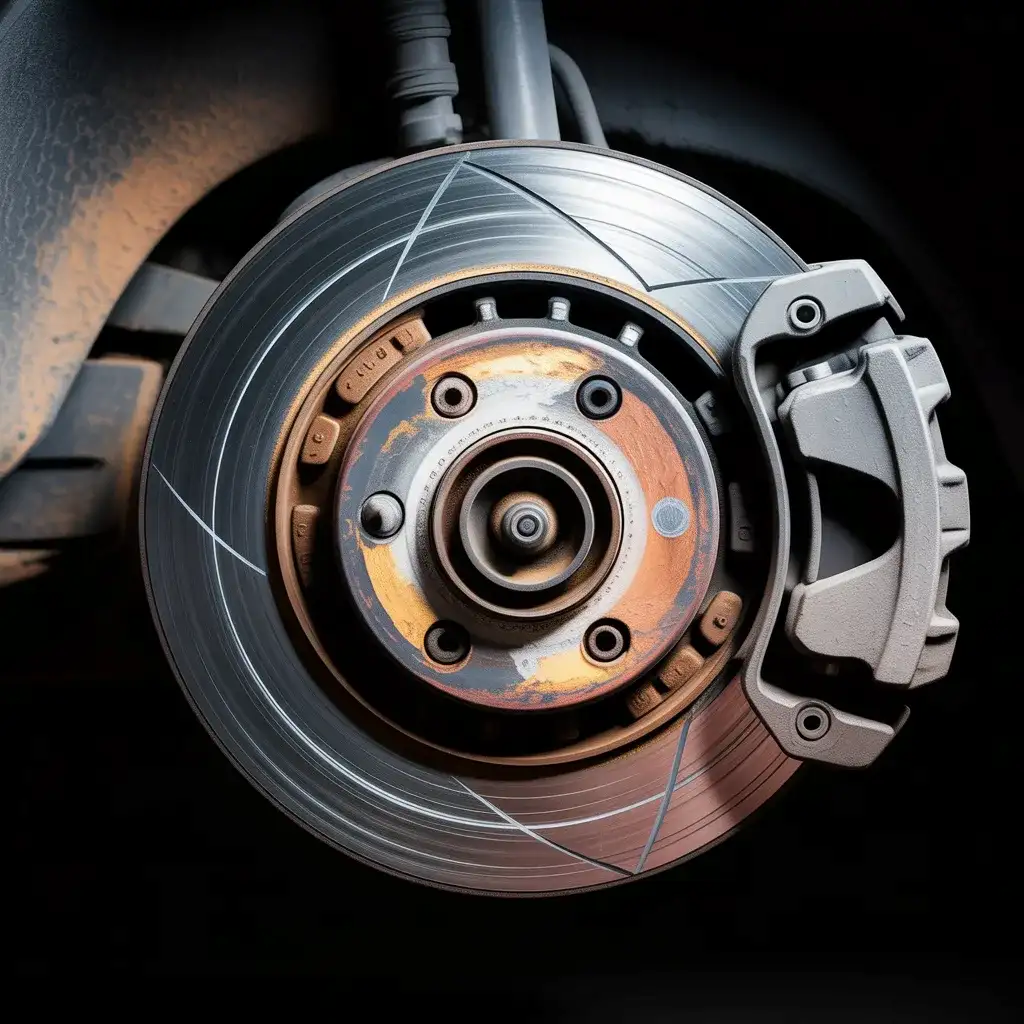
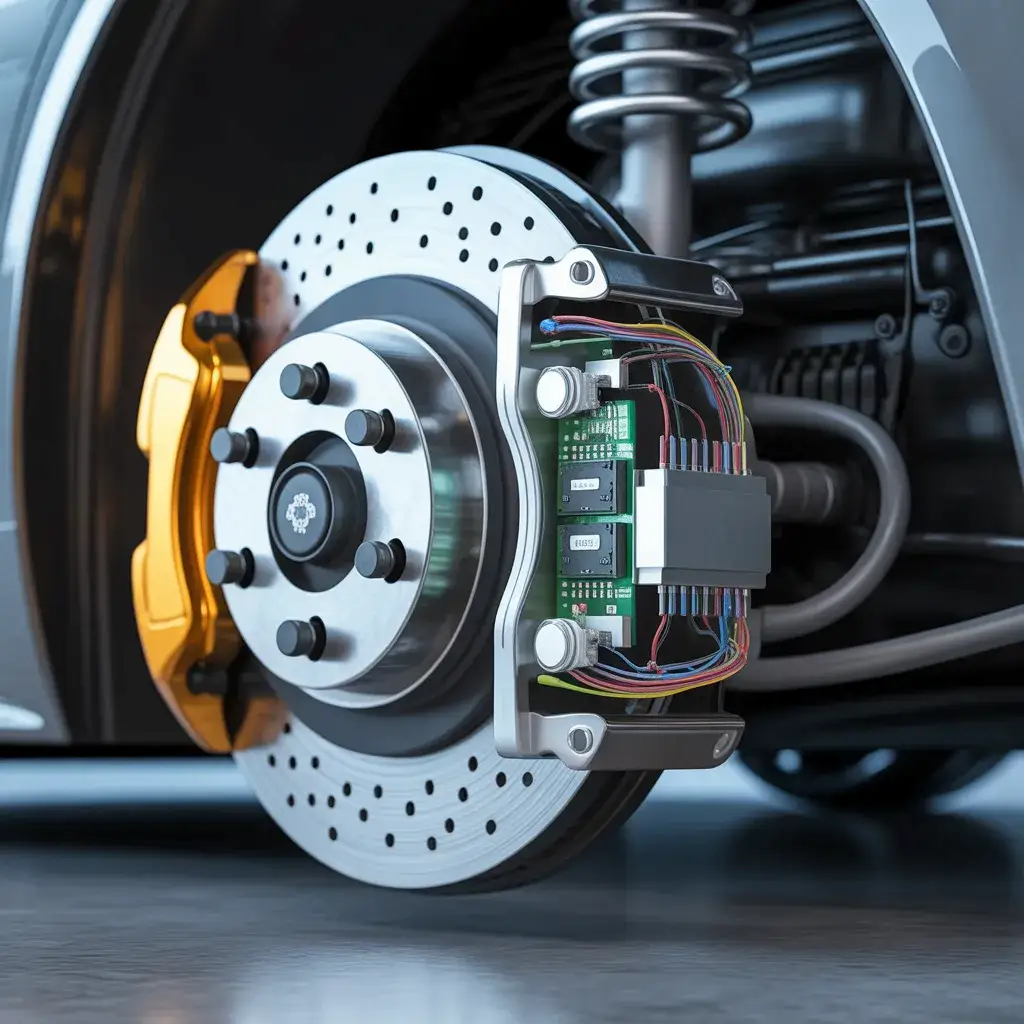
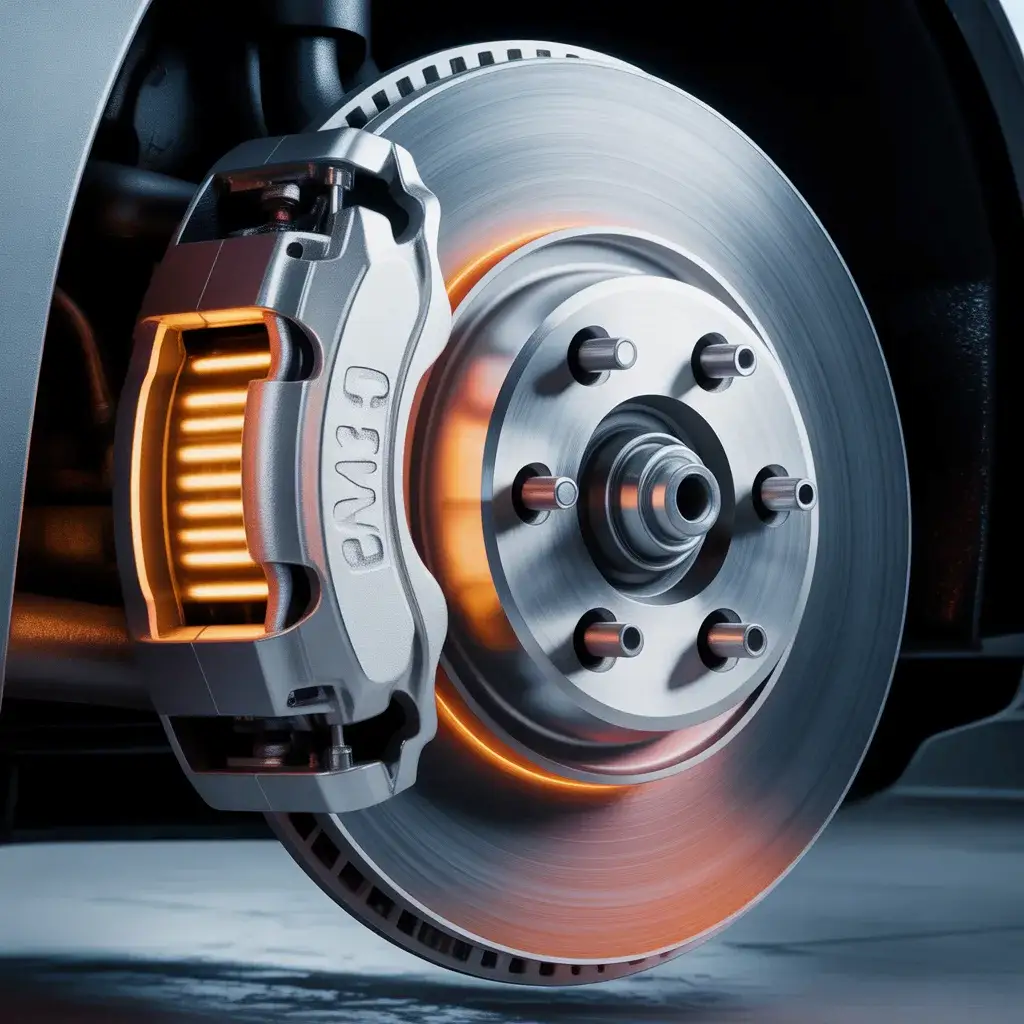
Brake pads play a vital role in ensuring your vehicle stops safely and efficiently. They are flat pieces of material that press against the brake rotors (discs) to create friction, which slows down and stops your vehicle. Essentially, brake pads convert kinetic energy into heat energy, allowing your car to decelerate safely.
Without well-functioning brake pads, your braking performance would significantly decrease, increasing the risk of accidents. That’s why I always recommend monitoring your brake pads regularly and replacing them before they wear out completely.
Key points:
- Located inside the brake calipers.
- Press against the rotors to stop the wheels.
- Made from materials designed to handle high heat and friction.
Types of Brake Pads
Over time, I’ve learned that not all brake pads are created equal. Choosing the right type can improve performance, extend lifespan, and match your driving style. Here are the most common types:
- Organic Brake Pads
Made from natural fibers, rubber, and resins.
Quieter operation and smoother braking.
Wear faster and generate more dust. - Semi-Metallic Brake Pads
Blend of metal fibers and organic materials.
Durable and excellent for heat dissipation.
Slightly noisier but offers better stopping power. - Ceramic Brake Pads
Composed of ceramic fibers and filler materials.
Long-lasting, low-dust, and quiet.
Higher cost but ideal for daily commuting and high-performance cars.
From my experience, semi-metallic pads are a great all-around choice for most drivers, while ceramic pads are excellent if you prioritize comfort and low maintenance.
Functions of Brake Pads
Understanding what brake pads do helps you appreciate why timely replacement is essential. Their main functions include:
- Stopping the vehicle: Friction between pads and rotors slows the car.
- Heat absorption: Prevents the braking system from overheating.
- Noise reduction: Good-quality pads minimize screeching and vibration.
- Protection of rotors: Proper pads prevent rotor damage and extend lifespan.
I always advise checking your brake pads every 10,000 to 15,000 km, especially if you notice squeaking sounds or reduced braking efficiency. For Audi owners, timely Audi brake pad replacement in Dubai at a reliable service center can help maintain optimal braking performance and safety.
Signs You Need to Replace Brake Pads
Over the years, I’ve noticed that many drivers ignore the warning signs of worn-out brake pads. Here’s what to watch for:
- Squealing or screeching noises when braking.
- Vibration in the brake pedal.
- Longer stopping distances than usual.
- Visible wear or thinning pads.
- Ignoring these signs can lead to rotor damage or brake failure, which is costly and dangerous. A simple replacement is often much cheaper and safer.
How to Replace Brake Pads (DIY or Professional Help)
While professional replacement is recommended for beginners, some car owners can handle this as a DIY task if they have basic mechanical knowledge. Here’s a quick overview:
- Lift the car safely using a jack.
- Remove the wheel to access the brake caliper.
- Remove the worn brake pads, check the condition of the rotors, and after installing new pads, test the brakes gently.
- Install new pads and reassemble the caliper.
- Test brakes carefully before driving at normal speed.
Always replace pads in pairs to ensure even braking performance.
Conclusion
Brake pads are small but vital components that ensure your vehicle stops safely. By understanding the types, functions, and replacement process, and knowing the signs your brake pads are worn out and need immediate attention, you can avoid costly repairs and drive with confidence. From my experience, regular inspection, choosing the right type, and timely replacement are the keys to keeping your car’s braking system in top shape.
Remember, safe braking isn’t just about following the rules; it starts with maintaining your brake pads.