Maintaining your Mercedes auto brake system is not just about safety; it protects your investment, prolongs brake life, and ensures smoother driving every time you hit the road. Understanding brake maintenance and having access to reliable brake repair in Dubai can give both new and experienced Mercedes owners peace of mind behind the wheel.
Why Brake Maintenance Matters
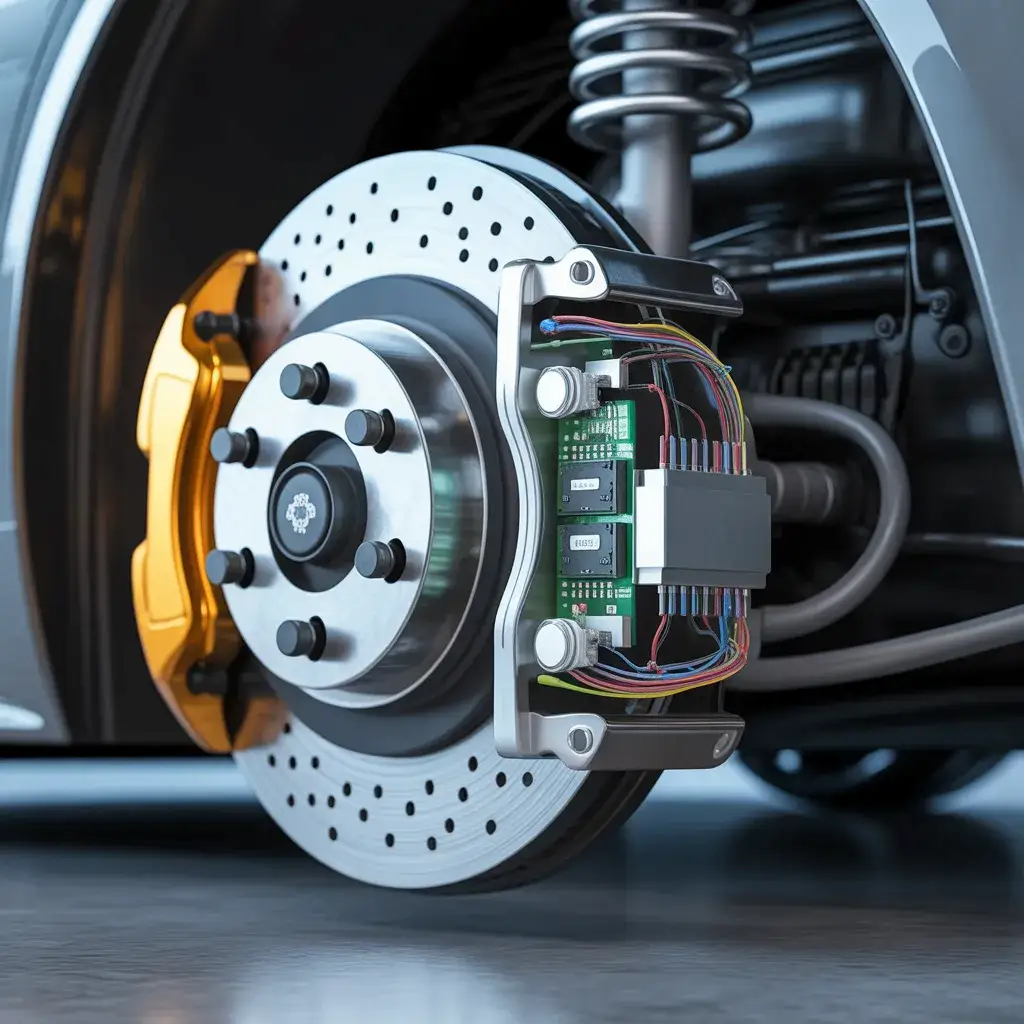
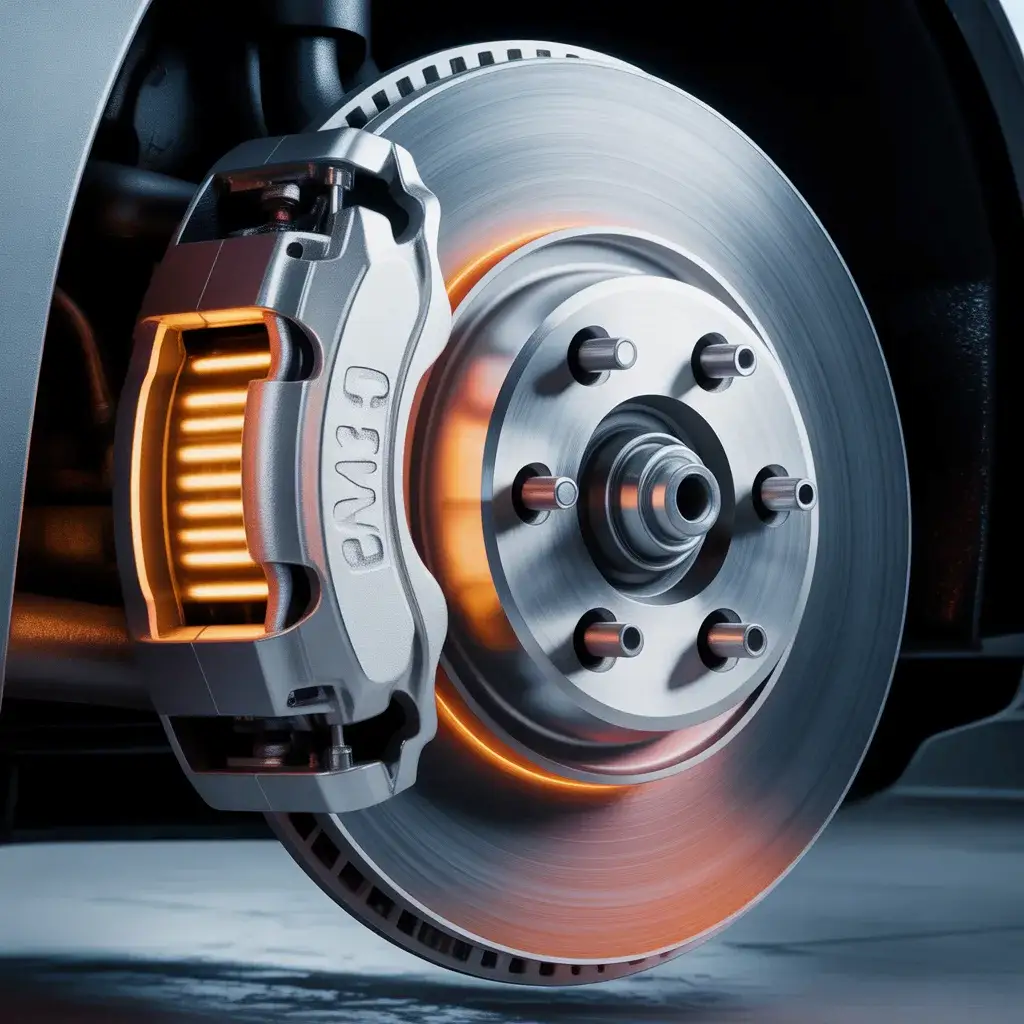
The brake system in a Mercedes is more than pads and discs. It’s an engineered network of components, from calipers and rotors to advanced safety systems like ABS and the Mercedes brake assist system, Mercedes technology, designed to deliver reliability and control. When any part wears or fails, your stopping power and vehicle stability can be compromised.
Consistent brake maintenance enhances:
- Safety in daily driving.
- Longevity of brake parts and reduced brake wear in Mercedes.
- Performance in adverse conditions.
- Vehicle resale value.
Signs Your Mercedes Brakes Need Attention
Knowing what to watch for can save you from costly repairs and dangerous situations.
1. Unusual Noises or Feelings
- Squeaks or squeals when braking often mean pads are nearing the end of their life.
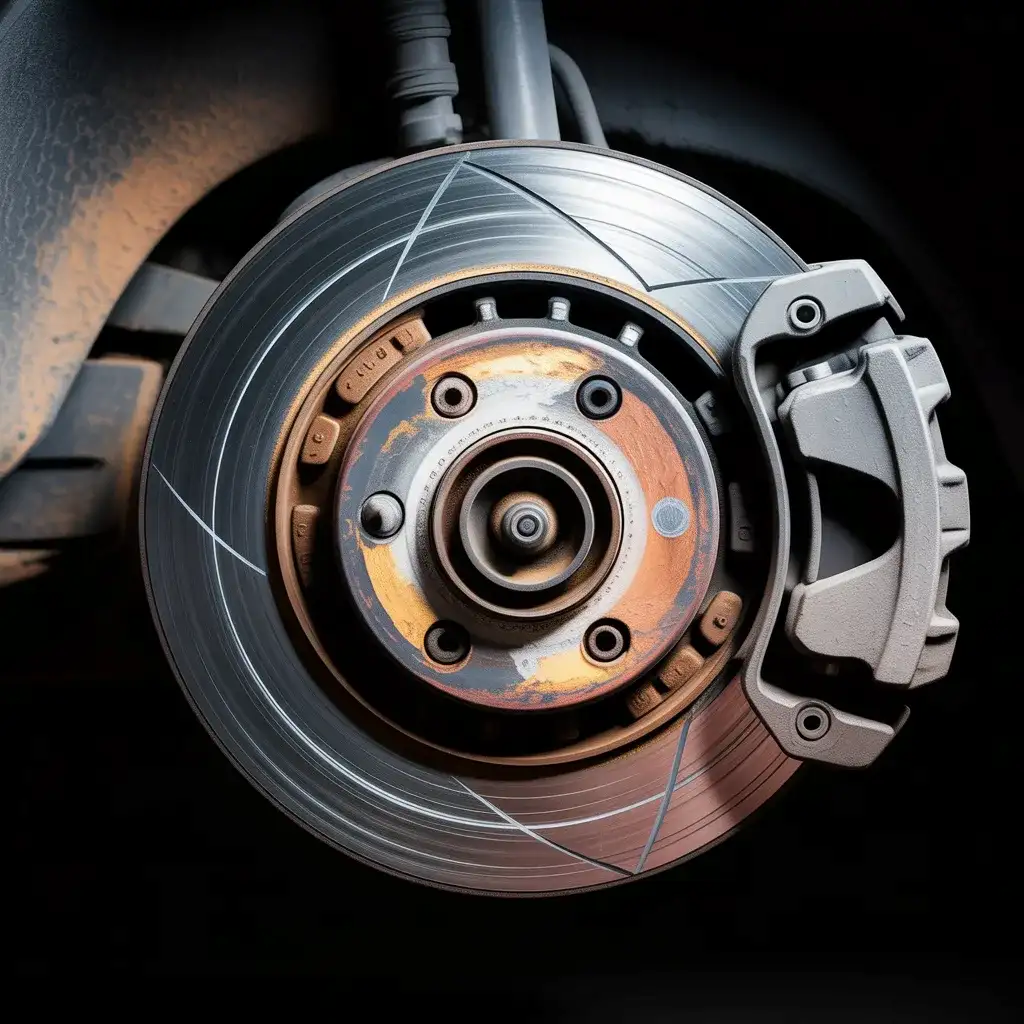
- Grinding sounds usually indicate that the pads are fully worn, and metal is contacting the rotor, a sign that you need urgent Mercedes brake repair.
- Vibrations or pulsations under braking may signal warped rotors or uneven wear.
2. Dashboard Alerts
Modern Mercedes vehicles monitor components and display alerts like check brake pad wear, Mercedes, or general brake system warnings. Ignoring these digital warnings can compromise the Mercedes brake assist system and overall safety.
3. Longer Stopping Distances
If your Mercedes takes longer to stop, it could be due to worn pads, low brake fluid, or issues within the Mercedes brake assist systems.
Routine Brake Maintenance Checklist
1. Visual Inspections
- Inspect brake pads, rotors, and calipers at least every 10,000 miles.
- Brake pads should generally have a 3 to 4 mm thickness; anything less means it’s time to replace them.
Actionable Tip: Jack up your Mercedes safely and look for uneven rotor grooves or noticeably thin pads.
2. Brake Fluid Checks
Brake fluid plays a critical role in your hydraulic brake system, as moisture absorption over time reduces performance. Mercedes recommends replacing it every 2 years, along with expert Mercedes brake repair in Dubai to ensure reliable braking.
3. Professional Assessment
Even if your home inspection looks fine, a professional Mercedes technician can spot early wear signs and calibrate systems like ABS and the Mercedes brake assist system for optimal safety.
Do’s and Don’ts for Lasting Brake Performance
Do
- Drive smoothly; harsh, repeated braking generates excessive heat and accelerates brake wear, Mercedes.
- Use genuine Mercedes parts for Mercedes brake repair and replacements.
- Address vibrations, noise, or alerts immediately.
Don’t
- Ignore dashboard warnings.
- Delay brake fluid changes.
- Overlook uneven wear between the front and rear brakes.
Conclusion
Keeping your Mercedes auto brake system well‑maintained is essential for performance, safety, and long-term reliability. Understanding warning signs like brake pad wear and knowing how long it takes to change brake pads allows you to maintain safety while avoiding unnecessary delays in brake servicing. Even in rare situations where brakes fail, knowing how to stop an automatic car without brakes can make a critical difference. Proper care also ensures the Mercedes brake assist system functions at its best and reduces the need for costly Mercedes brake repair.
When to Call a Professional for Mercedes Brake Pad Replacement
Contact a professional for brake pad replacement if you notice warning lights, reduced braking response, or unusual noises.
Call a specialist when:
- A brake pad wear warning appears on the dashboard
- You hear squealing or grinding while braking
- Pads measure below the recommended thickness
- You want to prevent costly brake system damage
Frequently Asked Questions
Q: What is the typical lifespan of Mercedes-AMG brakes?
A: Mercedes-AMG brakes usually last between 30,000 and 50,000 miles, depending on driving style and road conditions.
Q: Does the weather impact the brake assist system?
A: Yes, extreme weather such as heavy rain or high heat can temporarily affect brake assist responsiveness and braking efficiency.
Q: What are the drawbacks of an automatic start-stop system?
A: Auto start-stop systems can increase starter and battery wear and may feel inconvenient in heavy traffic.