Quick Answer: Yes, a bad brake booster can cause the brake pedal to sink or go to the floor by reducing the vacuum assistance needed for proper braking.
A sinking brake pedal is not just inconvenient; it’s a serious safety hazard. While a fluid leak or master cylinder failure is often blamed, a faulty brake booster may be the real issue, and getting brake repair in Dubai can help resolve it safely. Understanding the symptoms of a bad brake booster can help you troubleshoot the problem safely and effectively.
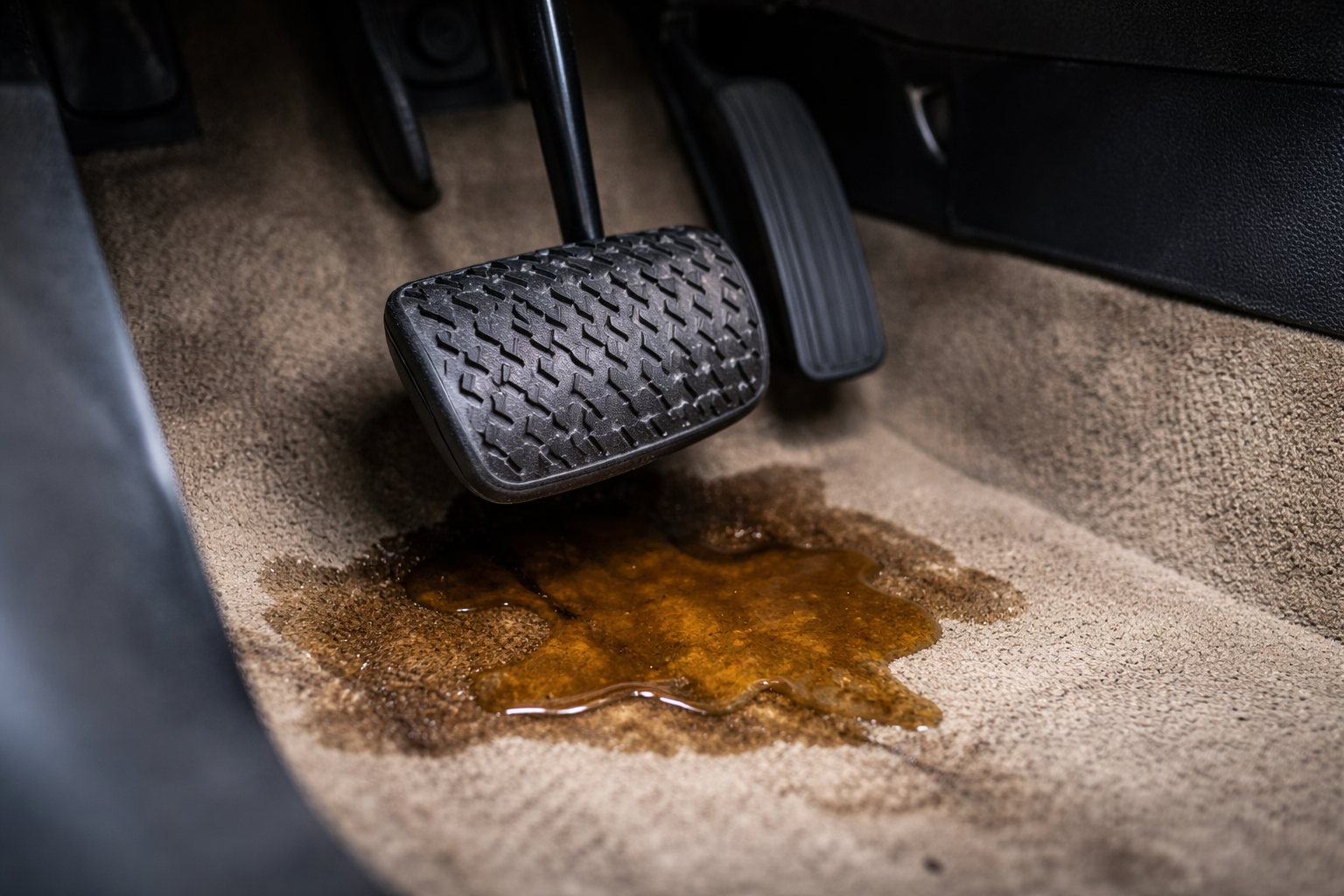
What Is a Brake Booster and How Does It Work?
The brake booster is a key part of your vehicle’s braking system. It uses engine vacuum pressure to amplify the force you apply to the brake pedal. Essentially, it reduces the effort needed to stop your car. Without a functional booster, pressing the brake pedal requires much more effort, and the pedal may feel soft or even sink to the floor in some cases.
Symptoms of a Bad Brake Booster
Recognizing the warning signs early can prevent accidents. Common brake booster failure signs include:
- Brake pedal soft or spongy: Pedal may feel unusually easy to press initially, but gradually sinks toward the floor.
- Hissing noise when pressing the pedal: Often caused by a vacuum leak in the booster diaphragm.
- Longer stopping distances: You may notice your vehicle takes longer to even with normal pedal pressure.
- Pedal hard at first, then sinks: Indicates loss of vacuum assistance mid-brake.
If you experience any of these symptoms, avoid driving at high speeds until the brake system is inspected.
Brake Pedal Goes to Floor Causes
While a bad brake booster is a common cause, other issues can also make the brake pedal sink:
- Brake fluid leaks: Low fluid reduces hydraulic pressure.
- Air in brake lines: Compressible air prevents proper force transfer.
- Worn master cylinder: Internal leaks cause gradual pedal sinking.
- Worn brake components: Calipers, wheel cylinders, or pads can contribute.
If the pedal starts hard but gradually sinks, it usually indicates a booster issue, and a reliable BMW brake repair in Dubai can check and fix it.
How to Check a Bad Brake Booster
- Check for vacuum leaks: Inspect the vacuum hose connected to the booster for cracks or disconnections.
- Listen for hissing sounds: A faulty booster often leaks vacuum air when pressing the brake.
- Brake pedal test: With the engine off, pump the pedal several times. Then start the engine. If the pedal suddenly drops slightly, the booster is likely functional. No change may indicate a problem.
- Professional inspection: Boosters are complex and involve vacuum systems. A certified mechanic can safely test and replace the component if needed.
Always pair brake booster replacement with a master cylinder check, as these components work together to ensure proper braking pressure.
Why Brake Booster Failures Are Common in Dubai
- Extreme heat: Damages the booster diaphragm and vacuum hoses, reducing braking assist.
- Heavy traffic: Repeated braking accelerates booster wear.
- High-speed roads: Weak boosters fail during sudden braking.
- Dust and sand: Cause vacuum leaks and uneven pedal response.
Preventive Maintenance Tips
- Check vacuum hoses during routine inspections.
- Replace brake fluid every 4 to 5 years.
- Avoid riding the brakes, which overheats components and stress the booster.
- Schedule periodic brake system inspections to catch early signs of failure.
Conclusion
A bad brake booster can definitely cause the pedal to go to the floor, but it’s crucial to confirm the diagnosis. Paying attention to brake pedal sinking to the floor symptoms, hissing noises, and inconsistent pedal resistance can save lives, and knowing the average life of car brake pads helps maintain your brakes safely. Immediate inspection and repair by a certified mechanic ensures your vehicle stops safely every time.
Your brakes are your first line of defense; never ignore unusual pedal behavior. Understanding brake pedal goes to floor causes and brake booster failure signs helps you act before small problems become major hazards.
Get Expert Brakepad Replacement in Dubai
Ensure your brakes perform safely with professional brakepad replacement in Dubai:
- Certified Technicians: Inspect and service the entire braking system.
- High-Quality Parts: Genuine brake pads for reliable stopping power.
- Safety Assurance: Proper installation reduces brake failure risks.
- Complete Service: Includes booster check, brake fluid, and pedal testing.
- Trusted & Guaranteed: Work follows manufacturer standards with warranties.
Frequently Asked Questions
1: What’s the symptom of a bad brake booster?
A bad brake booster often causes a soft or spongy pedal, hissing sounds, and reduced braking power.
2: How to fix a brake pedal going to the floor?
Inspect for leaks, bleed the brake lines, and check the master cylinder and booster for proper function.
3: Why is my brake pedal going to the floor, but there is no leak?
A sinking pedal without a leak usually points to air in the brake lines, a failing master cylinder, or a bad brake booster.