Car Brakes Not Stopping Smoothly? Check Your Low Metallic Pads
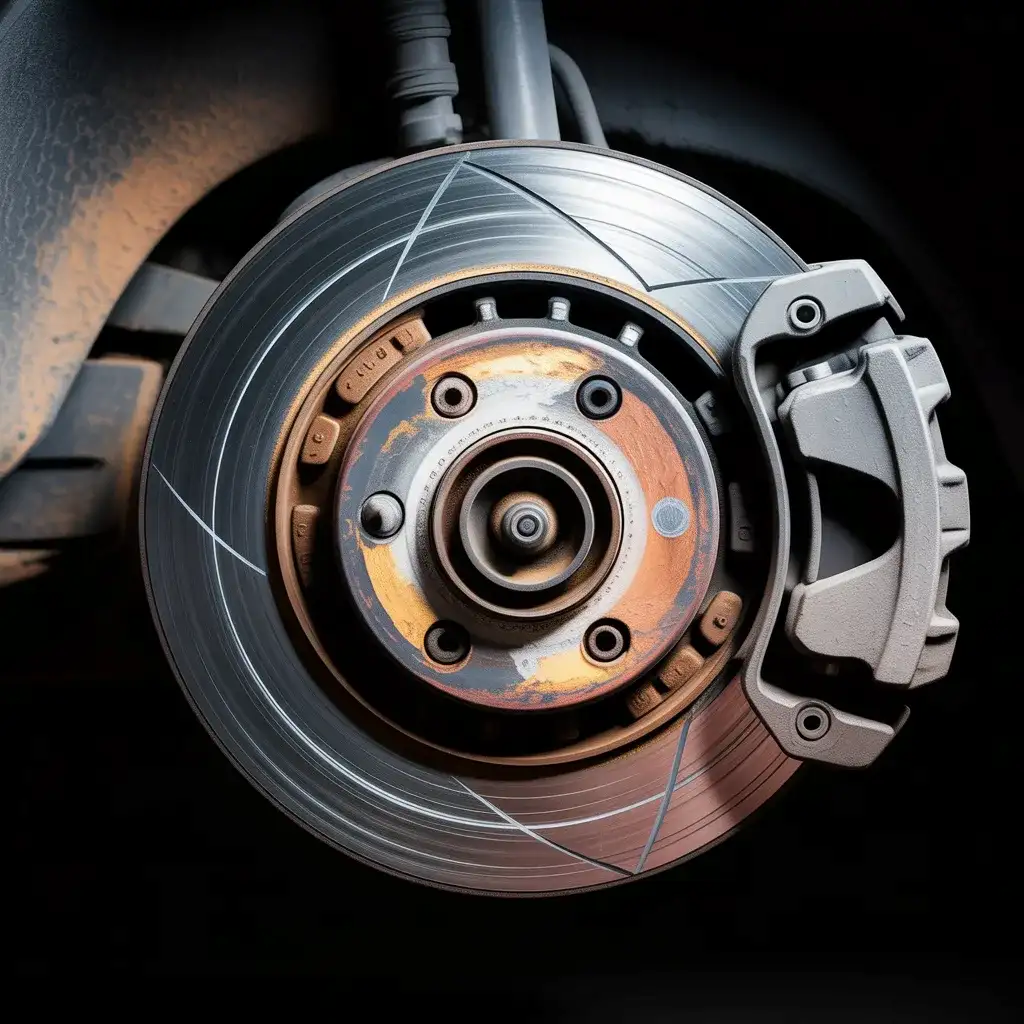
Short Answer: Low metallic brake pads are made from organic compounds blended with a small percentage of metals like copper or steel. This composition enhances friction and heat transfer without the drawbacks of heavier metal content in traditional semi‑metallic pads.
When it comes to choosing car brake pads, understanding material types is crucial for safety, performance, and cost. Among the options available, low-metallic brake pads strike a compelling balance, making them one of the best choices for everyday drivers and performance‑focused drivers looking for reliable Car brake pads replacement in Dubai services. These pads are common in both front and rear brake pads due to their versatility.
1. Balanced Performance for Everyday Driving
One of the standout benefits of low-metallic brake pads is their reliable stopping power across driving conditions. Whether navigating busy city streets or cruising on highways, they offer consistent performance without surprise fade or softness.
Benefits include:
- Responsive braking feel
- Effective heat dissipation
- Better performance than purely organic pads
- Suitable for moderate driving demands
This makes them ideal for most everyday vehicles.
2. Efficient Heat Management Keeps You Safe
When you press the brake pedal, friction generates heat. Too much heat can cause brake fade, reducing braking effectiveness. Low metallic brake pads are designed to transfer heat away from the rotor quickly, maintaining stable performance even during repeated stops.
3. Quiet and Comfortable Driving Experience
Compared with high‑metal pads, low-metallic brake pads produce less noise and vibration, providing a smoother driving experience. Many drivers appreciate this balance of confident braking and comfort.
While not as silent as premium ceramic options, they still reduce squeal significantly compared to older metallic designs.
4. Cost‑Effective with Good Longevity
Low metallic pads often cost less than ceramic options but perform much better than basic organic models. They also tend to wear more slowly than pure organic pads, meaning fewer replacements over time.
This makes them a smart choice for drivers looking to balance cost, performance, and convenience.
5. Good Dust and Wear Balance
While low metallic pads produce slightly more dust than ceramic pads, they generate less than high content metallic pads. This helps keep wheels cleaner and reduces maintenance hassle.
For many users, this balance is just right, better than dusty semi‑metallic pads and more engaging than organic‑only models.
Audi Brake Pad Replacement Made Easy
For Audi owners, choosing the right pads is essential for safety and performance. Low metallic brake pads are ideal for both front and rear brakes, and scheduling a professional Audi brakepad replacement in Dubai ensures optimal fit, longevity, and smooth braking. Regular maintenance keeps your Audi performing at its best with reliable stopping power.
Final Thoughts
When it comes to stopping power, compromise is not an option. Low metallic brake pads deliver the perfect balance of performance, durability, and everyday practicality. Whether you’re replacing your car brake pads for the first time or upgrading from basic organic pads, low metallic brake pads provide confident, reliable braking without excessive dust, noise, or cost. For drivers who demand safety and performance in every ride, low metallic pads are the clear, no-compromise choice.
Professional Brakepad Replacement in Dubai You Can Trust
Choosing the right service for your brake pads is just as important as picking the right material. With expert Brakepad Replacement in Dubai, you get:
- Certified Technicians: Skilled professionals trained in handling low-metallic brake pads and all major car brands.
- Quality Assurance: Genuine, high-performance brake pads installed with precision for safety and durability.
- Comprehensive Service: Front and rear brake pad replacement, inspection, and maintenance for optimal performance.
Frequently Asked Questions
Q1: Do low metallic pads wear out faster?
A: Slightly faster than ceramic, but longer-lasting than standard organic pads.
Q2: Can low-metallic brake pads be used for both front and rear brakes?
A: Yes, they perform well on both front and rear axles for most vehicles.
Q3: Are low metallic pads better than ceramic pads?
A: They offer a good mix of performance, cost, and heat management, while ceramic pads are quieter.