ABS Brake Sensor Problems: Symptoms, Causes & Easy Fixes
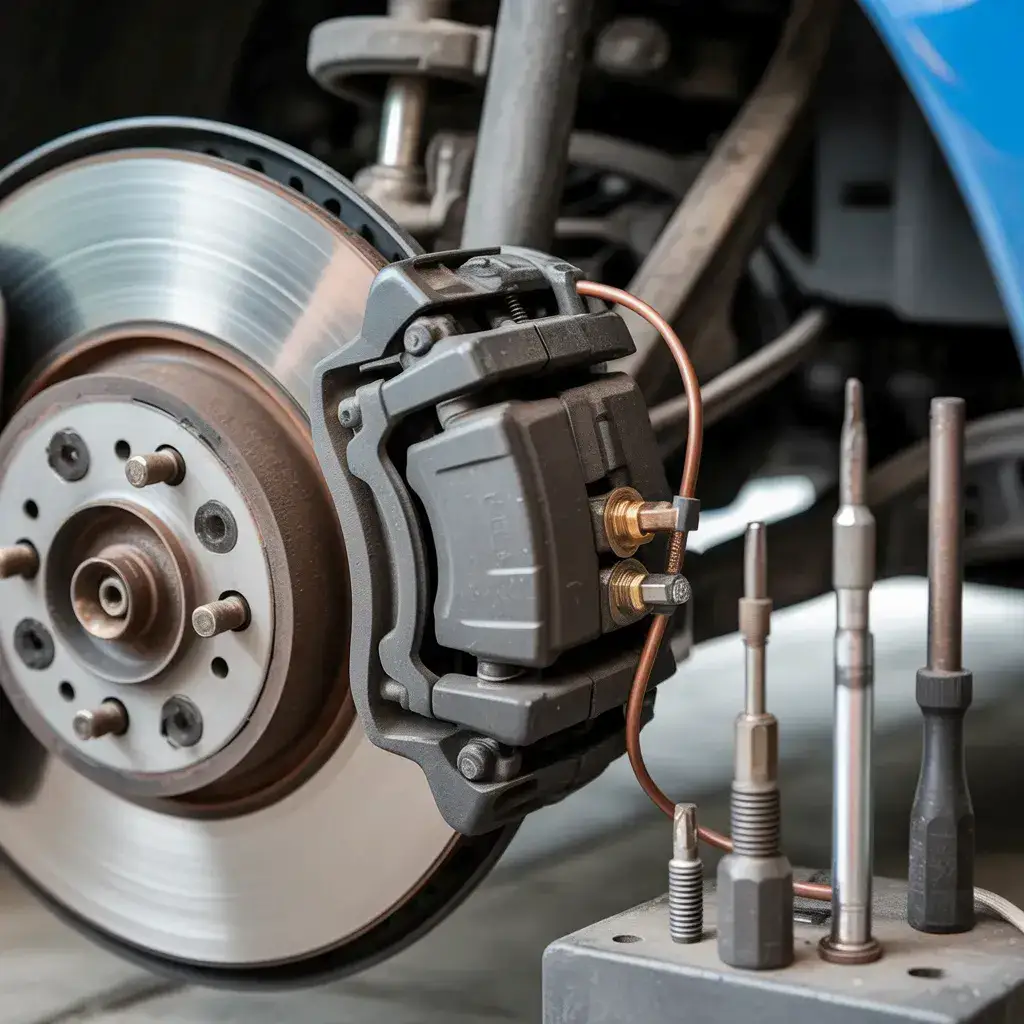
Quick Answer: ABS Brake Sensor Problems usually appear as an ABS warning light, inconsistent braking, or loss of anti-lock functionality. The most common causes are sensor contamination, wiring damage, heat-related wear, or faulty related sensors such as the brake pressure sensor and brake temperature sensor. In many cases, cleaning or recalibration solves the issue; otherwise, targeted repairs or sensor replacement restores safe braking performance.
Modern vehicles are engineered with advanced safety systems designed to deliver maximum control and reliability under all driving conditions. One of the most critical of these systems is the Anti-lock Braking System (ABS), which relies heavily on precision sensors to function correctly. When these sensors fail, braking performance, vehicle stability, and overall road safety are compromised.
For drivers in the UAE—where high temperatures, sand, and heavy traffic are everyday realities—maintaining a healthy braking system is non-negotiable. Routine maintenance services such as Car brake pads replacement Dubai help reduce excessive heat and debris that accelerate ABS Brake Sensor Problems, ensuring consistent braking performance in all conditions.
Understanding ABS Brake Sensors and Their Role
ABS brake sensors monitor wheel speed and transmit continuous data to the ABS control module. This real-time information allows the system to regulate brake pressure during sudden stops, preventing wheel lock-up and maintaining steering control.
In UAE driving environments—ranging from high-speed highways to urban congestion—accurate sensor readings are essential. A single faulty sensor can deactivate the ABS system, increasing stopping distances and reducing control during emergency braking.
Key Symptoms of ABS Brake Sensor Problems
ABS Warning Light Activation
The most visible indicator is an illuminated ABS warning light, signaling irregular sensor data or signal loss.
Loss of ABS Function
When sensor input becomes unreliable, the ABS system may shut down while standard braking remains active.
Inconsistent or Delayed Braking
Drivers may feel pedal pulsation, delayed response, or uneven braking pressure during sudden stops.
Traction and Stability Control Issues
ABS sensors also support traction and stability systems, so failure may reduce grip on sandy or wet UAE roads.
Main Causes of ABS Brake Sensor Problems
Dust, Sand, and Debris Accumulation
Fine sand and brake dust coat sensor tips, causing inaccurate wheel speed readings.
Heat-Damaged Wiring
Extreme temperatures accelerate insulation breakdown, leading to intermittent signals.
Corroded or Loose Connectors
Humidity and oxidation degrade electrical connections over time.
Mechanical or Impact Damage
Improper installation, road debris, or minor collisions can damage sensors or mounting points.
Brake Pressure Sensor Issues and ABS Performance
How the Brake Pressure Sensor Works
The brake pressure sensor measures hydraulic pressure to ensure balanced braking force across all wheels.
Symptoms of Brake Pressure Sensor Failure
- ABS and brake warning lights
- Hard or spongy brake pedal
- Reduced braking precision
Brake pressure sensor faults often mimic ABS sensor failures, making professional diagnostics essential.
Brake Temperature Sensor Problems in High-Heat Conditions
Purpose of the Brake Temperature Sensor
The brake temperature sensor monitors heat buildup during braking to protect components from overheating.
Common UAE-Specific Challenges
Prolonged braking in extreme heat can cause false readings or sensor fatigue.
Why It Matters
Overheating accelerates wear on pads, rotors, and ABS components, increasing repair costs if ignored.
How ABS Brake Sensor Problems Are Diagnosed
OBD Diagnostic Scanning
Fault codes identify failing sensors, wiring issues, or related system errors.
Live Data Analysis
Real-time wheel speed and pressure readings reveal inconsistencies during test drives.
Physical Inspection
Technicians check sensors, connectors, and wiring for contamination, corrosion, or damage.
For technical background on ABS operation, authoritative references such as Bosch’s ABS technology overview provide trusted insights.
Easy and Effective Fixes for ABS Brake Sensor Problems
Sensor Cleaning and Recalibration
Removing debris from sensors and tone rings often restores accurate readings.
Wiring and Connector Repair
Replacing damaged wiring or connectors stabilizes sensor signals.
ABS Sensor Replacement
When sensors fail completely, OEM-quality replacements ensure long-term reliability.
Wheel Bearing Replacement
Corrects misalignment issues that interfere with sensor accuracy.
Brake Pad Condition and Its Effect on ABS Sensors
Worn brake pads generate excess heat and debris, directly affecting sensor performance. Timely brake pad replacement protects ABS components and improves braking consistency.
For premium vehicles, specialized BMW brake pads replacement Dubai services ensure correct brake balance and sensor calibration.
Preventive Maintenance Tips for UAE Drivers
- Schedule routine brake inspections
- Clean braking components regularly
- Address warning lights immediately
- Avoid aggressive braking in extreme heat
Preventive care significantly reduces recurring ABS Brake Sensor Problems.
Why Professional Repair Matters
ABS systems are safety-critical. Certified technicians use manufacturer-approved tools and parts, ensuring accurate diagnostics, proper calibration, and compliance with safety standards under UAE driving conditions.
Frequently Asked Questions (FAQs)
What happens if I drive with a faulty ABS sensor?
Your vehicle may lose anti-lock braking, increasing stopping distances and reducing control during emergency braking.
Can ABS Brake Sensor Problems be fixed without replacement?
Yes. In many cases, cleaning, recalibration, or wiring repair resolves the issue without replacing the sensor.
Is the ABS sensor the same as the brake pressure sensor?
No. ABS sensors monitor wheel speed, while the brake pressure sensor measures hydraulic pressure. Both support overall braking performance.
Do high temperatures in the UAE affect ABS sensors?
Yes. Extreme heat accelerates wiring wear, sensor fatigue, and brake temperature sensor issues.
How often should ABS sensors be checked?
They should be inspected during regular brake servicing or whenever the ABS warning light appears.
Conclusion
ABS Brake Sensor problems should never be ignored, as they play a critical role in overall braking safety. To truly understand their importance, it helps to know what an ABS Anti-Lock Braking System is and how it works to prevent wheel lock-up during sudden or hard braking. Early diagnosis, timely repairs, and consistent maintenance of the ABS system help preserve braking efficiency in all driving conditions. By keeping brake pads, pressure sensors, and temperature sensors in proper condition, drivers ensure reliable ABS performance and maintain road safety throughout the year.