What Is the Thickness of New Brake Pads? Essential Car Care Tips
March 31, 2026
Introduction: Why Brake Pad Thickness Is Crucial
When it comes to vehicle safety, few components are more important than your brake pads. On average, new brake pads measure between 10–12 mm in thickness, though this varies depending on the car model and manufacturer. From years of hands-on auto service, I’ve seen cases where drivers ignored worn pads until they reached dangerous levels—sometimes below 2 mm. At that point, not only do the brakes lose efficiency, but rotors can also get damaged, leading to costly repairs.If you’re in the UAE, professional workshops that specialize in brake pads replacement in Dubai can ensure your car gets the right parts installed at the right time.What Is the Thickness of New Brake Pads?
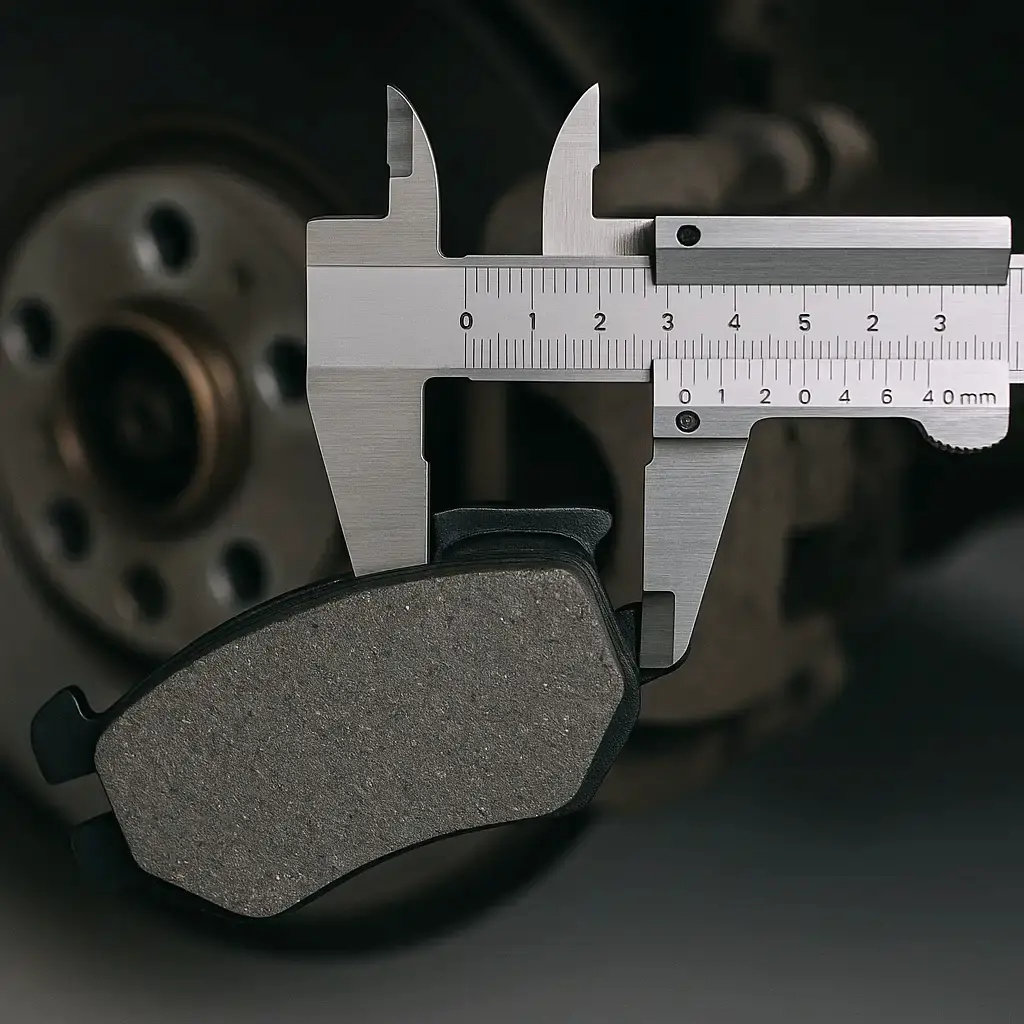
The standard thickness of brand-new brake pads generally falls between 10 mm and 12 mm. However, certain vehicles—especially performance or luxury cars—may use slightly thicker pads for enhanced stopping power.- New brake pads: 10–12 mm
- Minimum safe thickness: 3 mm
- Critical replacement level: 1–2 mm
Real-World Example
A client once brought in a Toyota SUV with pads worn down to just 2 mm. The brakes squealed, and the rotors had grooves from direct contact with the pad’s metal backing. Instead of a simple pad change, they needed rotor resurfacing—doubling the cost compared to timely replacement.When Should You Replace Brake Pads?
Thickness isn’t the only indicator. Other warning signs include:- Squealing or grinding sounds during braking.
- Reduced stopping efficiency or longer braking distances.
- Brake pedal vibration or steering wheel shake.
- Dashboard warning lights in modern vehicles.
Why Luxury Cars Need Special Attention
Luxury and performance cars demand higher standards. For example, Bentley brake pads replacement in dubai requires precision, as these vehicles use high-grade materials engineered for strong braking performance under high speeds. Using generic pads may save money short-term but reduces safety and performance in the long run.How Mechanics Measure Brake Pad Thickness
- Visual Inspection: Looking through the wheel spokes, you can often see if pads are thinner than 3 mm.
- Professional Tools: Mechanics use calipers for accurate measurement.
- Brake Pad Wear Sensors: Many modern cars are equipped with electronic sensors that send dashboard alerts when pads are worn.
Tips to Extend Brake Pad Life
- Drive smoothly. Avoid hard braking unless necessary.
- Routine inspections. Check pads during oil changes or every 10,000 km.
- Choose quality pads. OEM or premium aftermarket pads last longer.
- Adapt to driving conditions. Frequent city driving wears pads faster than highway travel.