How to Check and Replace Jaguar XF Front Brake Pads Without a Mechanic
March 31, 2026
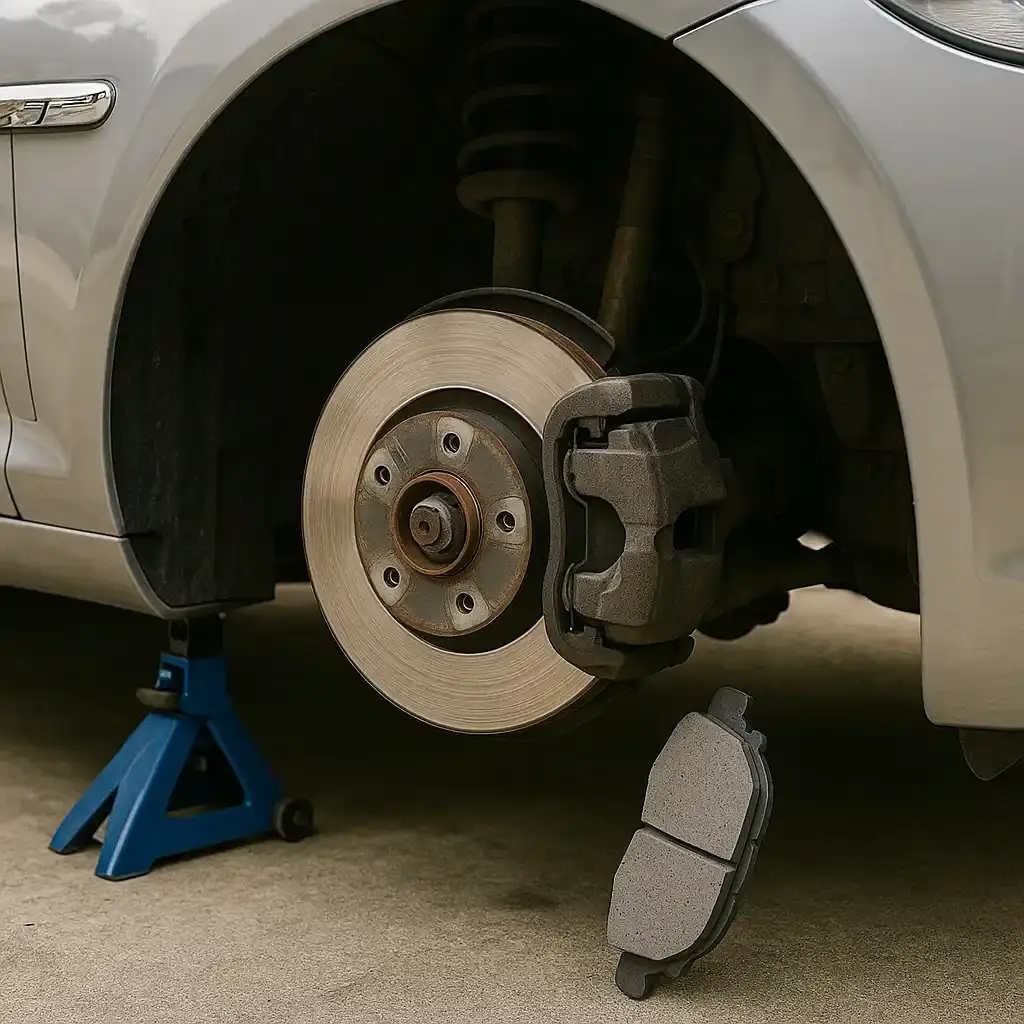
Brakes are one of the most crucial safety components in any car, and proper maintenance ensures both performance and security. For Jaguar owners, understanding how to service Jaguar XF front brake pads can save money and provide peace of mind. Surprisingly, brake issues account for around 25% of vehicle safety-related defects reported annually, making regular inspections and replacements essential.This detailed guide will walk you through the function of brake pads, when to replace them, and a step-by-step process for changing them at home without needing a mechanic.
Why Brake Pads Are So Important
Brake pads are the friction material that presses against the brake rotor, slowing the car down. Without them, stopping distances increase, and safety is compromised. Over time, heat and pressure wear down the pads, making replacement inevitable.For premium vehicles like the Jaguar XF, ensuring pads are in top condition not only enhances safety but also protects the car’s braking system from costly damage.Signs That Jaguar XF Front Brake Pads Need Replacing
You don’t have to be an expert to recognize worn brake pads. Common symptoms include:- A squealing or grinding noise when braking
- Increased stopping distance
- Brake warning light on the dashboard
- Vibration when pressing the brake pedal
- Visibly thin pads (less than 3mm thick)
Tools and Equipment Needed
Before starting, gather the following tools:- Car jack and jack stands
- Lug wrench
- Socket set
- C-clamp or brake caliper tool
- New Jaguar XF front brake pads (OEM recommended)
- Gloves and safety glasses
Step-by-Step: Checking and Replacing Jaguar XF Front Brake Pads
Step 1: Safety First
Park the car on a flat surface and engage the parking brake. Loosen the lug nuts slightly before jacking up the car.Step 2: Remove the Wheel
Use the jack to lift the car, secure it with jack stands, and then remove the wheel to expose the brake components.Step 3: Inspect the Brake Pads
Check pad thickness through the caliper window. Pads less than 3mm should be replaced immediately.Step 4: Remove the Caliper
Use the socket set to unbolt the caliper. Support it with a wire or bungee cord—don’t let it hang by the brake hose.Step 5: Take Out the Old Pads
Slide out the old brake pads from the caliper bracket. Note their positioning for proper installation of the new ones.Step 6: Compress the Caliper Piston
Use a C-clamp or brake tool to push the piston back into the caliper. This creates space for the new, thicker pads.Step 7: Install the New Pads
Insert the new Jaguar XF front brake pads into the caliper bracket. Ensure they fit securely.Step 8: Reinstall the Caliper
Bolt the caliper back into place and ensure all parts are tight.Step 9: Reattach the Wheel
Put the wheel back on, tighten the lug nuts by hand, lower the car, and then torque the nuts properly.Step 10: Test the Brakes
Pump the brake pedal several times to seat the pads before driving. Perform a slow test drive to confirm everything is working smoothly.How Many Brake Pads Does a Car Have?
“How Many Brake Pads Does a Car Have?” Most vehicles, including the Jaguar XF, have eight brake pads—two per wheel. The front brake pads usually wear faster since they handle more braking force, which is why regular inspection is crucial.When to Seek Professional Help
While DIY replacement saves money, not every owner feels confident doing the work. Specialized services such as brake pads replacement Dubai provide professional care with proper tools and guarantee safety. These workshops often include inspections of rotors, calipers, and brake fluid along with pad replacement.Luxury Car Considerations
Luxury models like Jaguar require specialized attention due to advanced braking systems. For example, workshops that handle Jaguar brake repair in Al Quoz are equipped with certified technicians and OEM parts. They ensure the repair maintains both performance and manufacturer standards.Maintenance Tips for Longer Brake Pad Life
- Drive smoothly and avoid harsh braking.
- Keep tires inflated properly to reduce brake strain.
- Regularly check brake fluid levels.
- Service the braking system every 20,000 km or as per the owner’s manual.