Driving should feel smooth and controlled, but many car owners notice their car pull to one side when braking. This issue not only makes driving uncomfortable but can also be a serious safety hazard. If your vehicle veers left or right when you hit the brakes, it’s a sign that something within the braking or suspension system needs immediate attention. In this guide, we’ll break down the most common causes, dangers, and effective solutions.
Why Pulling to One Side Matters
According to road safety statistics, faulty brakes are among the top five causes of car accidents worldwide. When your car swerves under braking, it reduces stability, increases stopping distance, and puts both you and other drivers at risk. Early diagnosis and repair save lives and prevent costly damage.
Common Causes of Car Pulling When Braking
1. Uneven Brake Pads
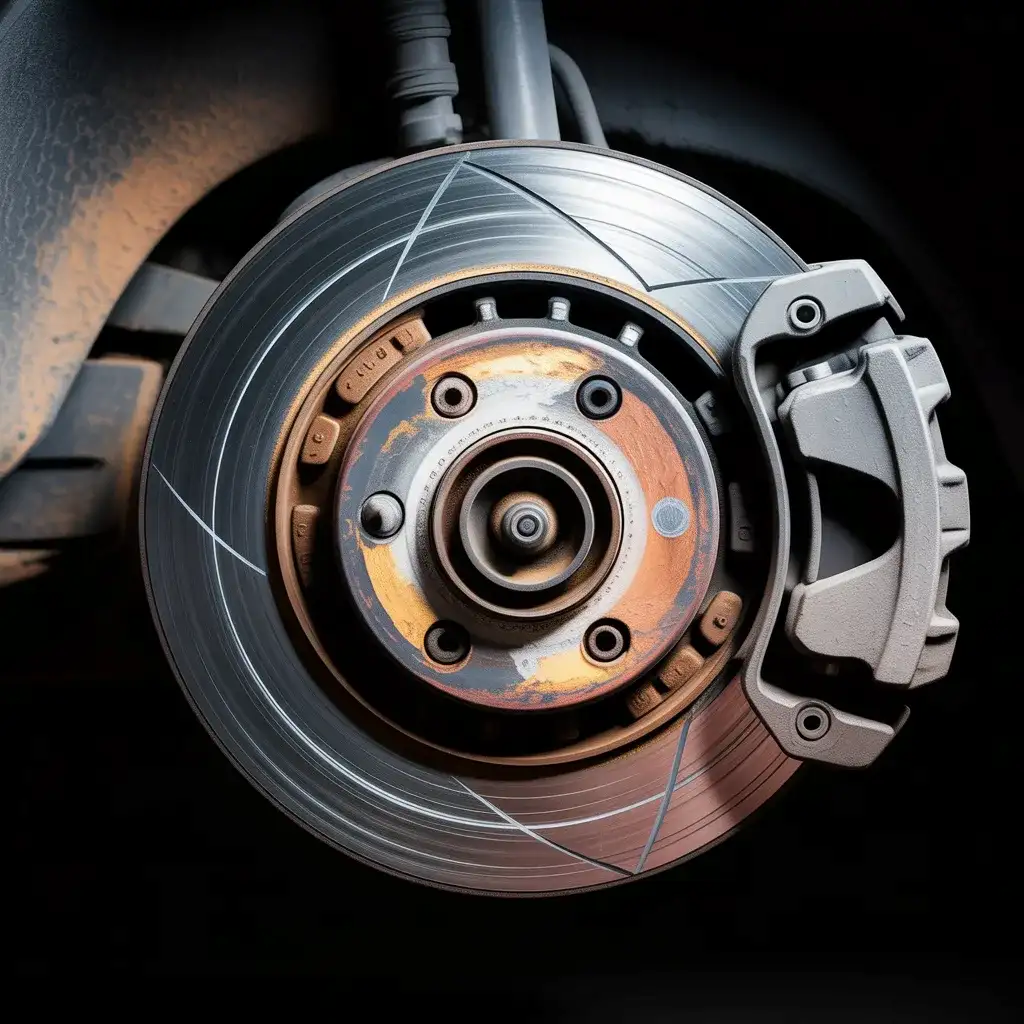
Brake pads wear down over time, but if one pad wears faster than the other, it creates uneven braking force. This imbalance makes your car pull toward the side with the stronger brake pad. Regular inspection and timely brake pads replacement Dubai services can prevent this issue.
2. Causes Brake Clipper to Lock Up
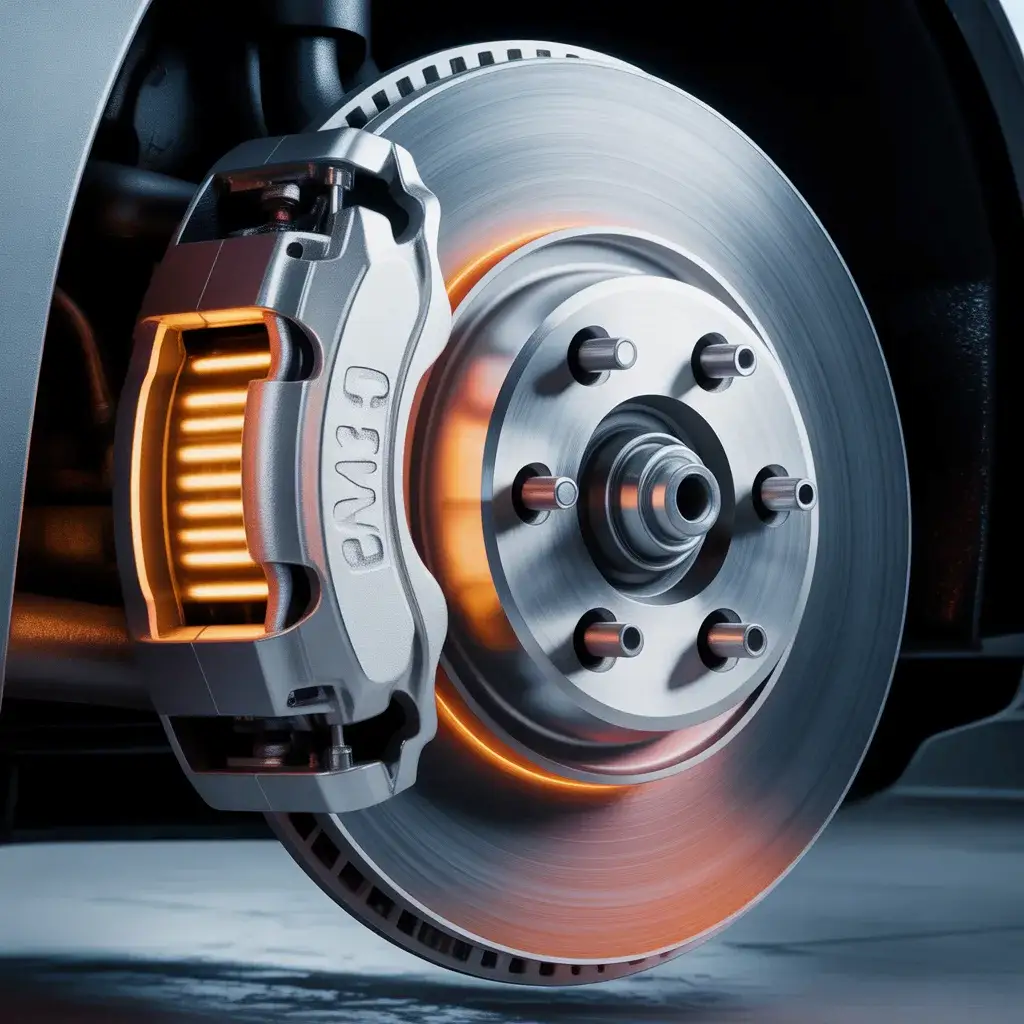
Another common issue is when a sticking or seized clipper disrupts the braking balance. Understanding what causes brake clipper to lock up is crucial—rust, worn seals, or contaminated brake fluid can prevent the piston from moving freely. If one clipper grips harder than the other, your car will drift to that side. This problem often requires immediate professional repair or replacement to restore proper braking balance.
3. Brake Fluid Contamination
Moisture or air in the brake fluid line causes uneven pressure distribution. Since brake systems rely on hydraulic pressure, even small contamination can make your braking unpredictable.
4. Misaligned Suspension or Steering
Sometimes the problem is not with the brakes but with the suspension or steering. Misalignment can cause uneven tire contact with the road, exaggerating pulling when brakes are applied.
5. Tire Pressure and Wear
Underinflated or unevenly worn tires may cause swerving, which becomes more noticeable during braking. Rotating tires regularly helps ensure even tread wear.
Signs That Pulling Is Brake Related
- The car only veers when braking, not during normal driving.
- You hear grinding or squealing noises when applying brakes.
- The brake pedal feels soft, spongy, or vibrates.
- You notice uneven brake pad thickness during inspection.
If these symptoms occur, it’s time for professional car brake repair in Al Quoz or your nearest trusted garage.
The Dangers of Ignoring the Issue
Many drivers continue driving despite feeling their car veer while braking, but the consequences can be severe:
- Loss of Control: Pulling may cause accidents, especially during sudden stops.
- Increased Tire Wear: Uneven braking puts excessive stress on certain tires.
- Expensive Repairs: Ignoring minor clipper or pad issues can lead to rotor damage.
- Failed Safety Tests: In Dubai and other regions, regular inspections may flag your car as unsafe if brakes are faulty.
How Mechanics Diagnose the Problem
When you take your car to a repair shop, mechanics typically check:
- Brake pad thickness on both sides.
- If anything causes brake clipper to lock up, including piston movement and seal damage.
- Brake fluid levels and possible leaks.
- Wheel alignment and suspension balance.
- Tire condition and inflation pressure.
This systematic check helps pinpoint the exact cause of pulling.
Effective Solutions
1. Replace Brake Pads
Worn or uneven pads should always be replaced in pairs. A professional service ensures correct installation, bedding-in, and safety checks.
2. Repair or Replace the Clipper
If anything causes brake clipper to lock up, mechanics may rebuild or replace it entirely to restore even braking pressure.
3. Flush Brake Fluid
Old or contaminated fluid should be replaced with fresh, high-quality brake fluid to maintain hydraulic efficiency.
4. Wheel Alignment
A quick alignment service can correct steering and suspension angles, reducing pulling during braking.
5. Tire Care
Rotating and balancing tires every 8,000–10,000 km prevents uneven wear and improves braking response.
Preventive Maintenance Tips
- Inspect brake pads every 15,000 km or as per manufacturer guidelines.
- Replace brake fluid every 2 years to avoid moisture buildup.
- Schedule wheel alignment checks twice a year.
- Avoid aggressive braking unless necessary to extend brake life.
- Pay attention to any changes in steering or pedal feel.
Conclusion
If your car pull to one side when braking, it’s a clear signal that your braking system needs attention. The most common culprits include worn brake pads, misalignment, or conditions that cause brake clipper to lock up. Ignoring the problem can compromise your safety and lead to more expensive repairs in the future. Whether it’s a simple pad replacement or a full brake system inspection, scheduling timely service at a trusted workshop—such as a reliable provider for car brake repair in Al Quoz—ensures your vehicle stays safe, balanced, and roadworthy.