Anti-Squeal Shims: Reduce Brake Noise & Improve Driving Comfort
March 30, 2026
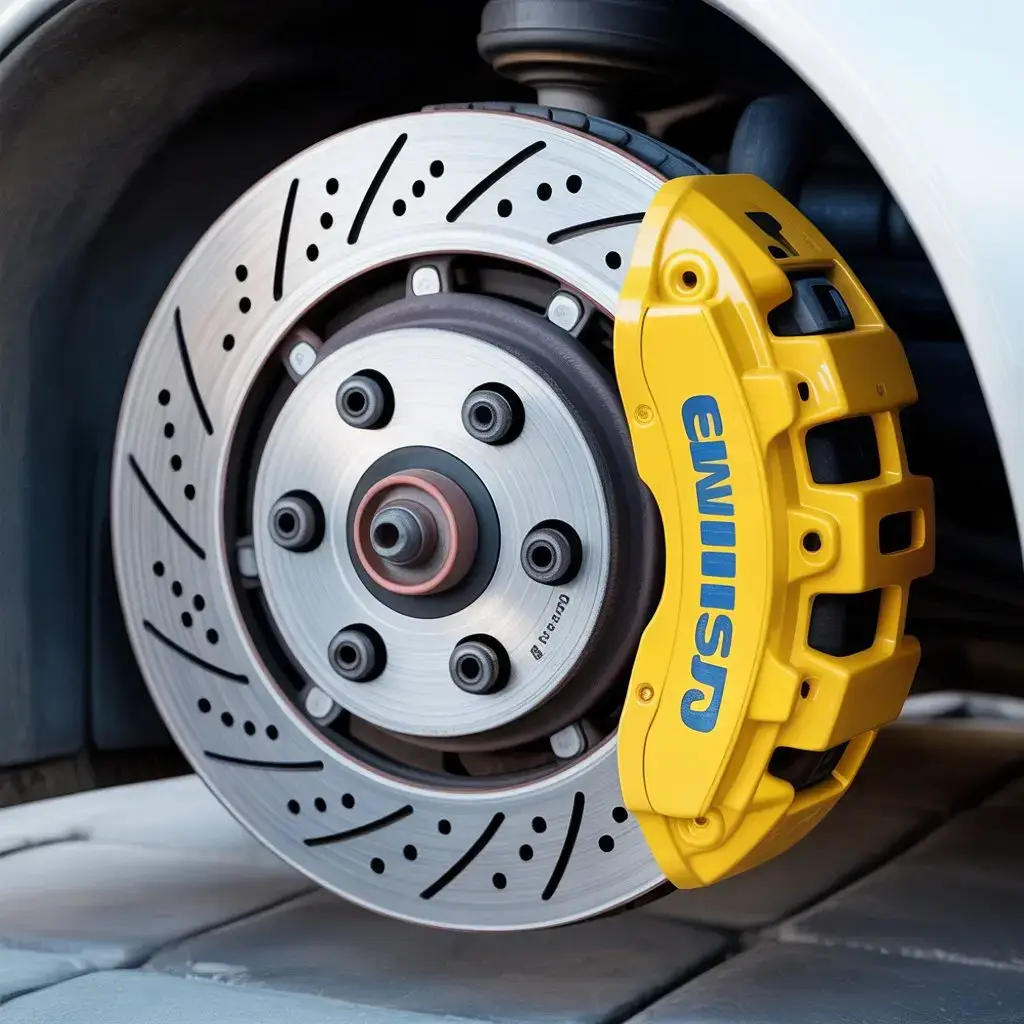
As a car enthusiast and someone who has spent years maintaining vehicles, I know how frustrating brake squeal can be. That high-pitched, irritating noise when you press the brake pedal can make even a smooth drive stressful. Over time, I discovered a simple yet highly effective solution: anti-squeal shims. When I was living in Dubai and dealing with frequent brake issues, I realized that combining these with proper brake pad replacement in Dubai could make a big difference, improving both driving comfort and safety.In this post, I’ll share my personal experience, explain how anti-squeal shims work, and provide practical tips to help you reduce brake noise for good.
What Are Anti-Squeal Shims?
Anti-squeal shims are thin layers of metal or rubber that sit between the brake pads and the caliper. Their main purpose is to:- Absorb vibrations caused by braking
- Prevent metal-to-metal contact that leads to squealing
- Ensure even pressure distribution across the brake pads
How Anti-Squeal Shims Reduce Brake Noise
Brake squeal happens due to high-frequency vibrations when the brake pads press against the rotor. Think of it like a guitar string vibrating too much, without dampening, it produces a high-pitched sound.Anti-squeal shims work by:- Dampening vibrations: Rubber or metal layers absorb the energy, reducing resonance.
- Creating a stable brake pad fit: Shims keep the pads firmly in place, preventing movement that causes noise.
- Protecting the brake components: They reduce wear and tear on calipers and pads.
Choosing the Right Anti-Squeal Shims
Not all shims are created equal. Here’s what I learned about selecting the best ones:- Material matters: Steel shims are durable, while rubberized shims offer better vibration absorption.
- Fit is key: Always choose shims designed for your specific brake model. Improper fit can worsen noise.
- Quality counts: Invest in trusted brands rather than budget alternatives.
Installing Anti-Squeal Shims: My Personal Experience
I remember the first time I installed shims myself, it was surprisingly straightforward, yet very rewarding:- Remove the wheel and caliper: Always follow safety precautions.
- Detach the old brake pads: Inspect the rotor for uneven wear.
- Place the shim: Align it correctly with the pad and caliper bracket.
- Reinstall the pads and caliper: Ensure everything is secure.
- Test drive: Start with gentle braking to ensure the noise is gone.
Benefits Beyond Noise Reduction
While anti-squeal shims primarily reduce brake noise, I noticed several additional benefits:- Smoother braking: Less vibration makes the pedal feel more consistent.
- Longer brake pad life: Reduced movement prevents uneven wear.
- Improved driving comfort: Quiet brakes contribute to a more enjoyable ride.