Emergency Guide: What to Do When Car Brakes Fail on the Road
March 31, 2026
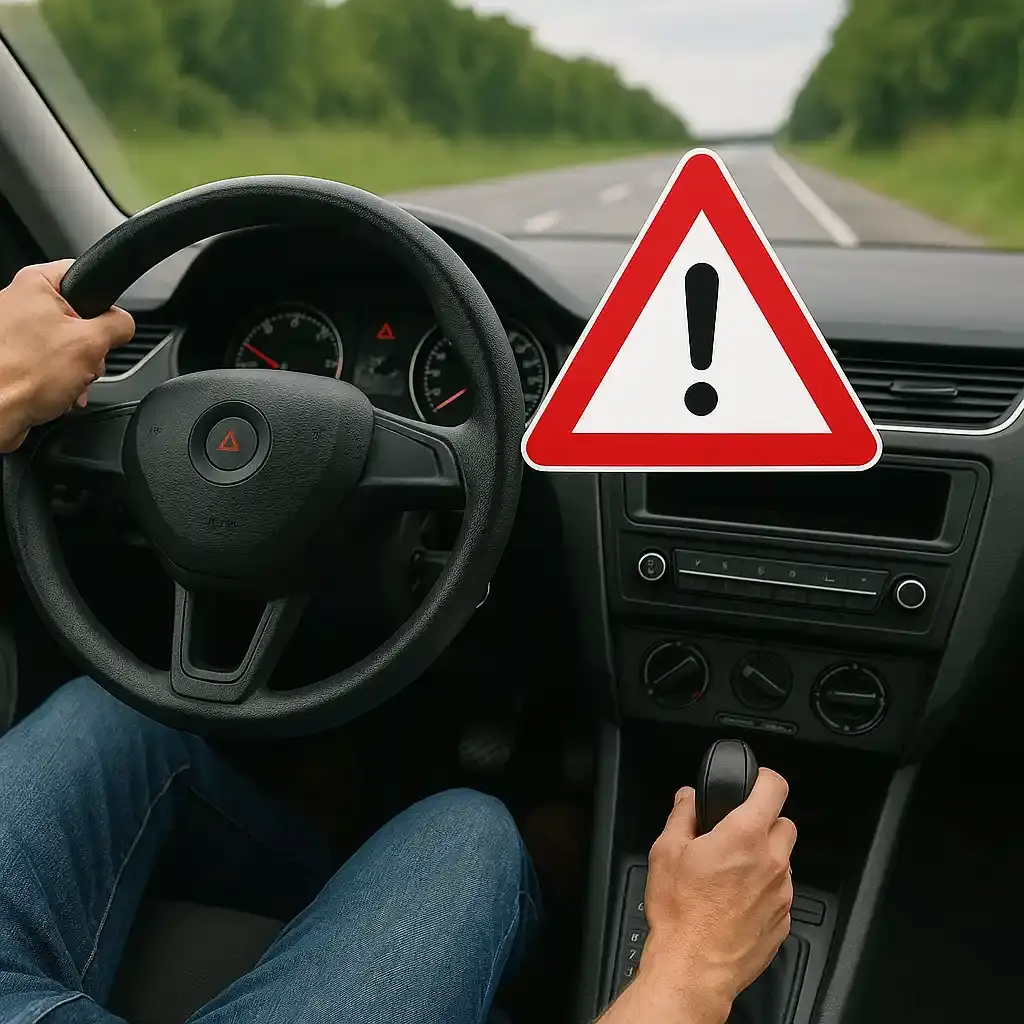
Few driving scenarios are more terrifying than brake failure. Whether you’re on the highway or maneuvering through city traffic, realizing your car isn’t slowing down can cause instant panic. Staying calm and knowing the right steps can save your life and protect others on the road. This guide explains what to do when car brakes fail on the road and how regular brake pads replacement in Dubai helps prevent such emergencies.
Why Do Car Brakes Fail?
Before learning what to do in an emergency, it’s useful to understand why brakes fail. Common causes include:- Worn brake pads or rotors – Lack of maintenance reduces stopping power.
- Brake fluid leaks – A drop in pressure makes brakes unresponsive.
- Overheated brakes – Continuous braking generates excessive heat, causing brake fade.
- Mechanical failure – Issues with brake lines or ABS systems can fail without warning.
Immediate Actions: What to Do When Brakes Fail
If you ever face brake failure, your first goal is to remain calm and act fast. Here are the steps to follow:1. Stay Calm and Alert
Avoid panic. Keep a firm grip on the steering wheel and focus on controlling the vehicle.2. Pump the Brakes
If you have non-ABS brakes, pump the pedal quickly to try building pressure.3. Downshift Gears
Shift gradually into lower gears. In automatics, use the “L” gear or manual mode for engine braking.4. Use the Emergency Brake
Apply the parking brake slowly and steadily—it uses a separate system and can help you slow down.5. Steer to Safety
Look for a shoulder, emergency lane, or open space away from traffic. Use hazard lights to alert other drivers.6. Use Terrain to Slow Down
If safe, steer uphill or onto gravel or grass to reduce speed naturally.7. Don’t Turn Off the Engine Too Early
Turning it off cuts power steering. Only switch off once fully stopped.Common Mistakes to Avoid
When panic sets in, drivers often make errors that worsen the danger:- Pulling the parking brake too hard – It can lock wheels and cause skidding.
- Switching off ignition immediately – This makes steering difficult.
- Swerving suddenly into traffic – Always choose the safest path, even if it means minor vehicle damage.
After You’ve Stopped Safely
Once you’ve brought the car to a stop:- Pull far off the road.
- Switch off the engine and engage the parking brake.
- Call roadside assistance or a tow service.
- Use hazard lights or reflective warning signs for visibility.
Preventing Brake Failure
Brake failure can often be prevented with consistent care:- Regular inspections – Have pads, rotors, and fluid checked every 10,000–15,000 km.
- Brake fluid changes – Replace every 2 years or as per manufacturer guidance.
- Pay attention to warning signs – Squealing, grinding, or spongy pedals signal issues.
- Avoid overloading – Extra weight stresses the braking system.
Safety Tips for Drivers
Even with good maintenance, being prepared matters:- Keep a safe following distance.
- Drive at controlled speeds.
- Know if your car has ABS or not.
- Practice using the handbrake in a safe environment to get familiar.