Why Do My Brakes Squeak? Causes, Conditions & Fixes
March 30, 2026
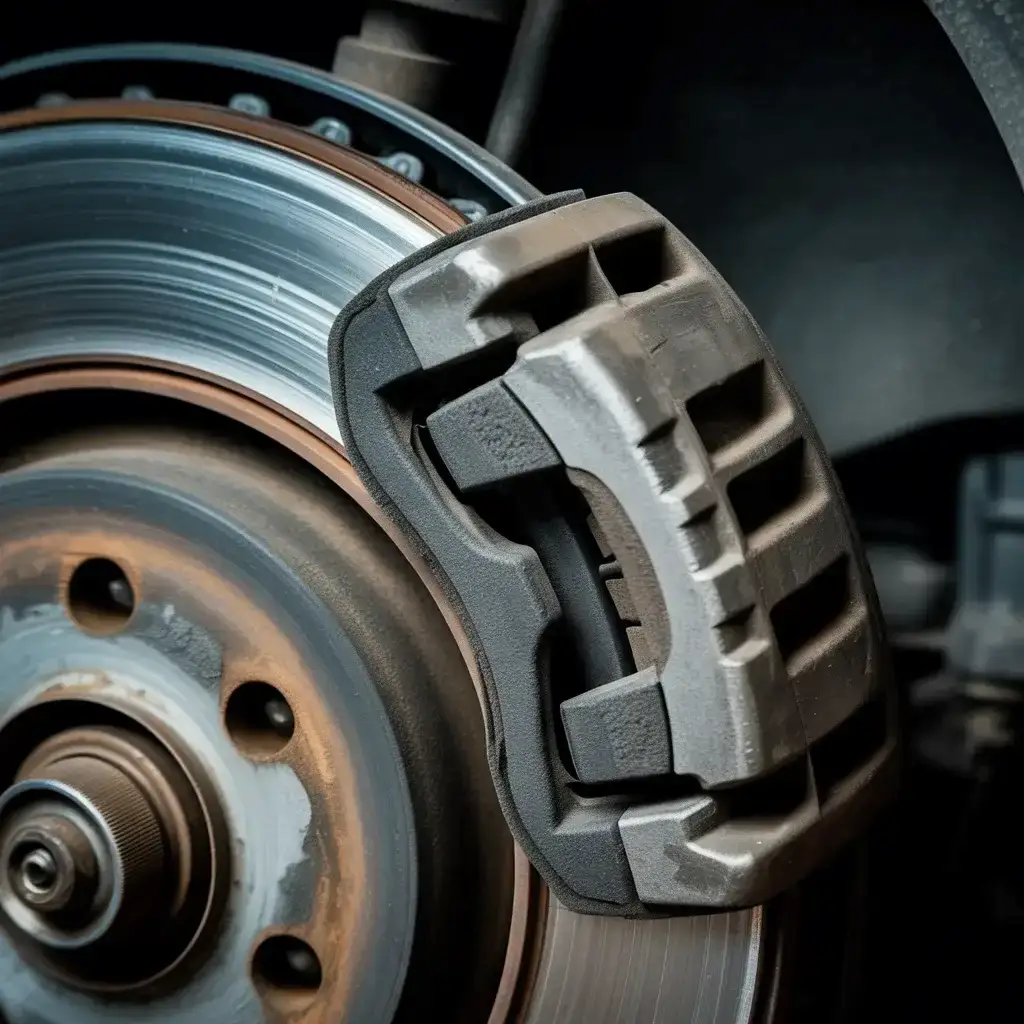
There’s nothing quite as nerve-wracking as hearing your brakes squeak while driving. I remember the first time it happened to me; it was a quiet morning commute, and that high-pitched sound made me instantly anxious. Over the years, through personal experience and advice from certified mechanics, I’ve learned that brake squeaks are common but often manageable, especially when you stay on top of regular brake repair in Dubai. In many cases, timely brake pads replacement in Dubai plays a crucial role in eliminating squeaks and maintaining optimal braking performance. Understanding the causes, conditions, and fixes can save you money and ensure your safety on the road.
Common Causes of Brake Squeaking
Brake squeaks are more than just an annoyance; they’re your car signaling that something isn’t quite right. From my own experience, these are the most frequent causes:1. Worn Brake Pads
Brake pads naturally wear down over time. When the friction material gets too thin, a metal indicator may contact the rotor, creating a squeaking noise. This is your car’s way of telling you it’s time for a replacement.2. Dust, Dirt, and Debris
Even a clean-looking wheel can have a fine layer of dust or tiny debris trapped between the pad and rotor. In my own car, I noticed a squeak after a dusty road trip, and a quick cleaning solved the problem.3. Moisture and Rust
Brake rotors can develop a thin layer of rust after rain or washing your car. This often causes temporary squeaks when braking lightly. Usually, the sound disappears after a few stops as the rust wears off.4. Glazed Brake Pads or Rotors
Overheated brakes can cause the pad surface to harden, or glaze, leading to squeaky braking. This usually happens during prolonged downhill driving or aggressive braking, something I learned after a long mountain drive.5. Improper Installation or Low-Quality Parts
If brake components aren’t installed correctly, or if cheap pads are used, squeaks are more likely. Always rely on reputable mechanics and quality parts to avoid persistent noises.Conditions That Make Squeaks More Likely
Certain situations seem to bring out the squeakiness more than others. Based on both my experience and automotive advice, these include:- Cold weather: Moisture and temperature changes can cause pads to contract, leading to squeaks.
- Short trips: Brakes don’t get hot enough to remove light rust or debris.
- New brakes: Some new pads may squeak initially until they are properly bedded in.
Effective Fixes for Squeaky Brakes
Addressing brake squeaks doesn’t always require a full replacement. Here are practical solutions I’ve found effective:- Clean your brakes: Remove dust and debris using a brake cleaner spray.
- Lubricate moving parts: Apply brake grease to the back of pads and caliper slides to reduce vibrations.
- Replace worn components: Thin pads or heavily scored rotors should be replaced promptly.
- Check installation: Ensure pads, shims, and hardware are correctly installed.
- Break in new brakes: Follow the manufacturer’s bedding procedure to avoid early squeaks.
Quick Tip:
A small DIY trick I sometimes try is lightly sanding the pad surface or using anti-squeal shims if the squeak persists, but with my own Ferrari, getting Ferrari brake pad services in Dubai from experts has always been the safest approach.When to Seek Professional Help
While some squeaks are minor, others can indicate safety issues. Seek professional help if you notice:- Continuous squealing even after cleaning
- Vibration or pulsation during braking
- Reduced braking performance