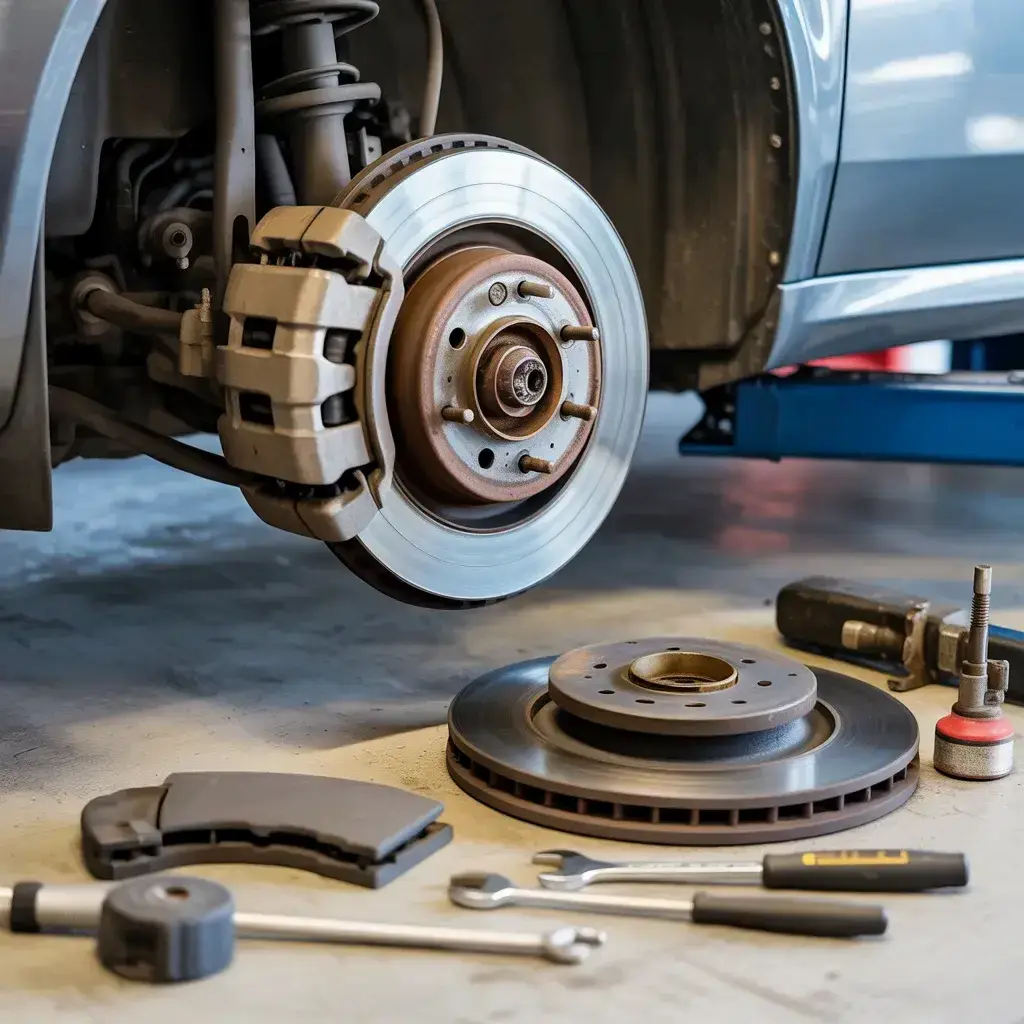
Why Does the Car Vibrate When Braking? Common Reasons
March 30, 2026
A car vibrates when braking mainly due to warped rotors, worn brake pads, stuck calipers, or issues with tires and suspension.If your car vibrates when the brakes are applied, it’s more than an annoyance; it’s a warning. Understanding why your car shakes when braking helps prevent damage, maintain safety, save money, and ensure timely Car brake pads replacement in Dubai when needed.
How Brakes Work and Why Vibrations Occur
Your braking system relies on a precise interaction between brake pads, rotors, calipers, and the hydraulic system. When you press the brake pedal:
Hydraulic pressure pushes the caliper pistons.
Calipers clamp the brake pads onto rotors.
Friction slows your wheels and stops your car.
If any component malfunctions or wears unevenly, it can cause the brake vibration, resulting in the steering wheel vibrating when braking, front vibration when braking, or brake pedal vibration at low speeds.
Common Causes of Car Shaking When Braking
Warped or Uneven Brake Rotors
Rotors can warp due to heat, hard braking, or uneven pad wear. Warped rotors create a pulsating brake pedal and vibrations through the steering wheel.
Signs: Brake pedal pulses, steering wheel shake, vibration at high speeds.
Fix: Resurface or replace rotors with new pads.
Tip: Inspect rotors regularly to prevent long-term damage.
Worn Brake Pads
Thin or uneven pads fail to grip rotors smoothly, causing car vibration while braking. And the Heat-glazed pads worsen the effect.
Signs: Squealing brakes, uneven braking response.
Fix: Replace pads with quality parts; follow proper break-in procedure.
Stuck Brake Calipers
Seized calipers or slide pins create drag on one wheel, leading to the car vibrating when brakes are applied or pulling to one side.
Signs: Burning odor, hot wheels, uneven pad wear.
Fix: Lubricate slide pins or replace calipers.
Tire, Wheel, and Suspension Issues
Imbalanced tires, bent wheels, worn wheel bearings, or loose suspension components can amplify vibration when braking.
Signs: Shaking at highway speeds, uneven tire wear, and clunking over bumps.
Fix: Align and balance wheels, replace worn suspension parts.
Safety Tips
Steering wheel wiggles at 60 mph, likely front rotor runout.
Braking downhill produces pulsing pedal and overheating rotors.
Vibrations when idle with the foot on the brake, power brake booster, or caliper issue.
Mild vibration may be safe for short drives, but if you notice loud shaking, grinding, or hot wheels, it’s crucial to schedule a Porsche brake pads replacement Dubai to prevent further damage.
Impact of Dubai Climate on Brake Vibration Issues
Driving conditions in Dubai can accelerate brake-related vibration issues.
Extreme heat: High temperatures cause brake rotors to overheat and warp faster.
Heavy traffic: Constant stop-and-go driving leads to uneven pad and rotor wear.
High-speed highways: Sudden braking at high speeds amplifies existing rotor or tire issues.
Dust and sand: Fine particles affect brake surfaces and wheel balance, increasing vibration.
Preventing Brake Vibration
Replace pads and rotors as a set before severe wear.
Rotate tires and maintain proper inflation.
Align wheels after suspension work or pothole impact.
Avoid riding brakes on long descents; use engine braking.
Schedule regular brake inspections with certified technicians.
Conclusion
A car vibrating when braking often signals brake rotor issues, pad wear, caliper problems, or suspension troubles. While thinking about the issue, you might wonder, How many brake pads does a car have? Most cars have four—two on the front wheels and two on the rear. Timely inspection by experienced mechanics ensures smooth braking, prevents accidents, and can help replace rear brake pads and rotors before they cause further issues. Pay attention to warning signs, maintain your brakes, and drive safely.
Expert Brakepad Replacement in Dubai
Ensure safe, smooth braking with professional brakepad replacement in Dubai: