How to Stop an Automatic Car Without Brakes: Emergency Techniques Explained
March 31, 2026
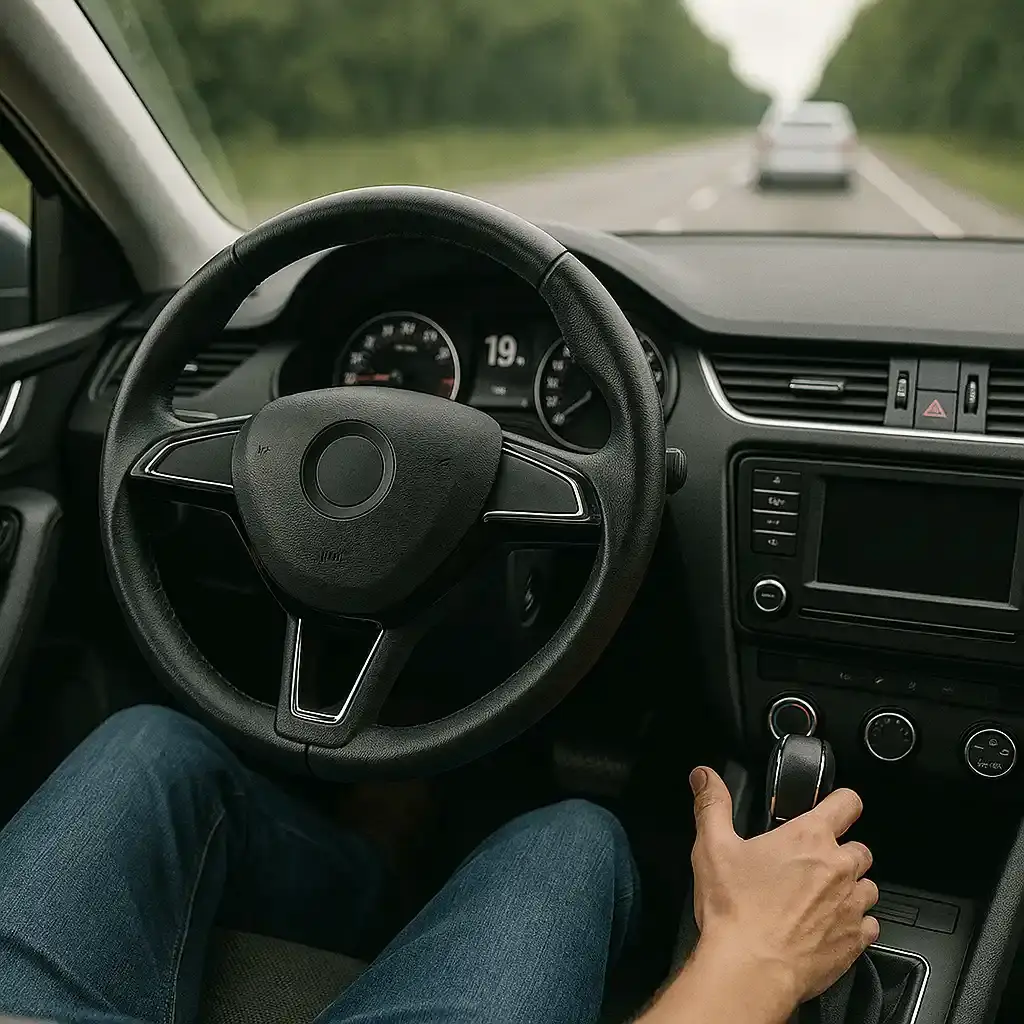
This guide explains how to stop an automatic car when brakes fail, with safe steps to control speed and bring the vehicle to a stop. Brakes are one of the most vital safety systems in any vehicle. When functioning properly, they provide full control over speed and stopping distance. But what happens if your brakes suddenly fail in an automatic car? This situation, though rare, can be terrifying. Understanding emergency techniques can make the difference between a safe stop and a serious accident.In this guide, we’ll explore step-by-step strategies for handling brake failure in an automatic car. Along the way, we’ll also highlight the importance of timely brake pads replacement in Dubai and regular inspections to prevent such emergencies.
Recognizing Brake Failure Early
The first step is identifying the signs of Car Brake Failure before it escalates into a complete loss of control. Warning indicators may include:- A brake pedal that sinks to the floor with little resistance.
- Unusual grinding or squealing noises while braking.
- A burning smell near the wheels.
- Dashboard brake warning lights.
Emergency Techniques to Stop Without Brakes
When brakes fail in an automatic car, every second counts. Here are proven techniques that can safely slow down and stop the vehicle.1. Downshift Gradually
Automatic cars allow you to manually shift into lower gears using “L” or “2” on the gear selector. By downshifting step by step, the engine creates resistance—known as engine braking—which helps reduce speed. Avoid shifting directly from “Drive” to the lowest gear, as this can damage the transmission.2. Use the Emergency Handbrake Correctly
The parking brake, often called the handbrake, is designed for low-speed stops but can be used in emergencies. Apply it slowly and steadily, never pulling it abruptly, to prevent the wheels from locking and the car from skidding out of control.3. Steer Toward a Safe Area
If traffic allows, guide your car toward the side of the road, an empty lane, or even an uphill stretch. Inclines naturally slow vehicles, reducing the force needed to bring the car to a complete stop.4. Use Friction to Slow Down
If safe, gently rub the tires against a curb or barrier. This contact creates friction, helping reduce speed more quickly. Use this only as a last resort and carefully, as it can cause tire or body damage.5. Warn Other Drivers
Activate hazard lights immediately and honk if necessary. Alerting other road users prevents collisions and gives them time to adjust their driving.What Not to Do During Brake Failure
Panic often leads to mistakes that worsen the situation. Avoid these actions:- Don’t turn off the engine while the car is moving; it disables power steering and makes control difficult.
- Don’t slam the gear lever into “Park” at high speed; this can destroy the transmission.
- Don’t apply the handbrake suddenly, as it can send the vehicle into a dangerous skid.
Why Regular Brake Maintenance Matters
Emergencies like complete brake failure are often preventable. Most failures occur due to neglected maintenance or worn components such as brake pads, rotors, or fluid. Drivers in busy cities often experience stop-and-go traffic that wears out brakes faster.For example, timely Volkswagen brake repair in Dubai ensures that urban driving conditions don’t take a toll on your braking system. Mechanics can detect leaks, replace worn pads, and top up brake fluid before a failure occurs. Similarly, if you are based in an automotive hub, getting reliable Car brake repair in Al Quoz can provide both quality parts and experienced technicians who specialize in handling such issues.Long-Term Safety Tips
While emergency techniques are crucial, preventing failures in the first place is even more important. Follow these best practices:- Replace brake pads every 30,000–50,000 km depending on driving habits.
- Check brake fluid levels monthly and replace fluid every two years.
- Listen for unusual noises during braking and get them inspected immediately.
- Schedule professional inspections twice a year, especially before long road trips.