How to Maintain Mercedes Benz Brake Pads and Rotors Properly
March 31, 2026
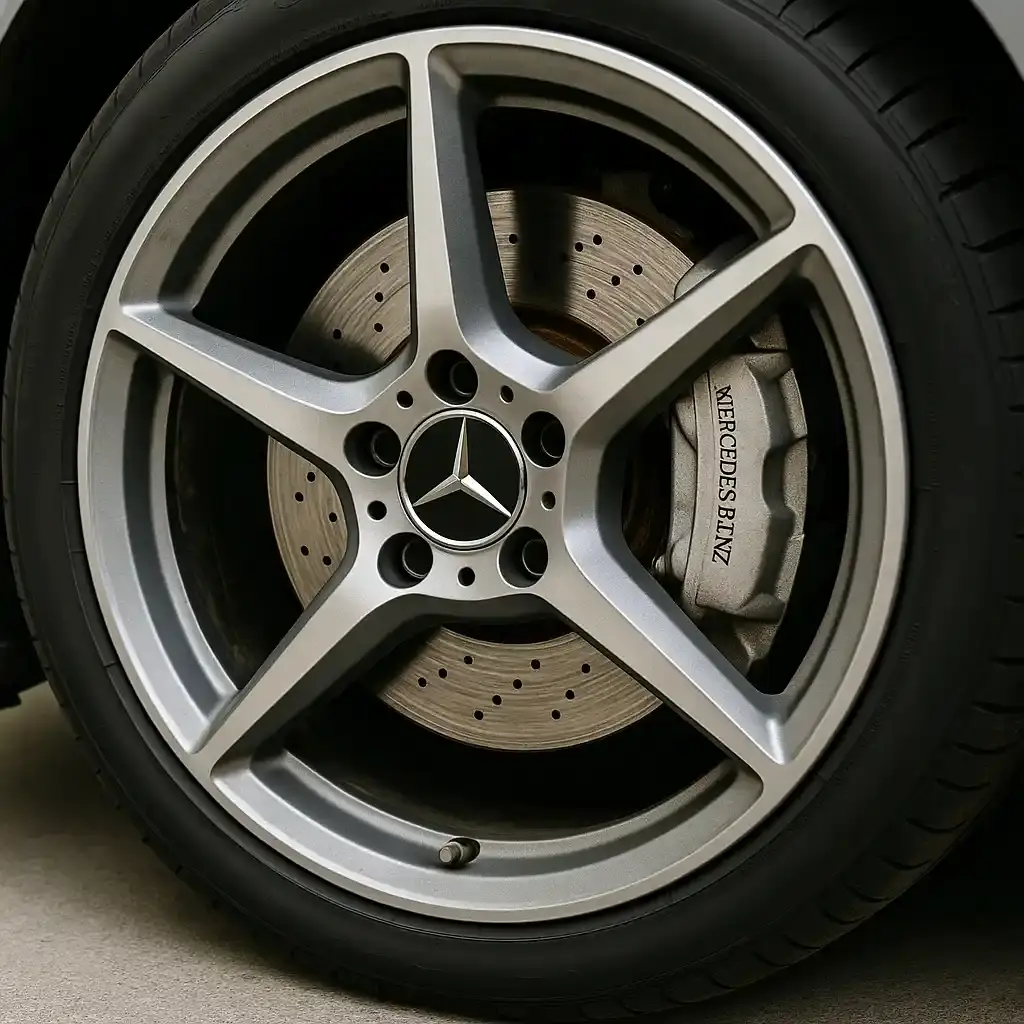
Owning a Mercedes Benz is more than just driving a luxury vehicle—it’s about maintaining precision engineering and ensuring every part works seamlessly. One of the most critical components of any Mercedes is the braking system. Proper care of Mercedes Benz brake pads and rotors is essential for performance, safety, and long-term reliability. Neglecting them not only shortens their lifespan but also risks safety on the road.According to global automotive safety studies, brake failures contribute to nearly 22% of all vehicle-related accidents. This fact underlines why brake pad and rotor maintenance must be a top priority for Mercedes owners.
Why Brake Pads and Rotors Matter
Brake pads and rotors work together to create the friction needed to stop your car smoothly and safely. Pads press against rotors (the large discs attached to your wheels) whenever you brake. Over time, both parts experience wear due to heat and friction.- Brake Pads: Usually made of ceramic, metallic, or organic materials, these wear faster and typically last between 30,000 to 70,000 km, depending on driving habits.
- Rotors: Built to withstand heat and stress, but they eventually thin or warp and require resurfacing or replacement.
Signs of Worn Brake Pads and Rotors
It’s important to recognize early warning signs of brake wear. Some key indicators include:- Squeaking or grinding noises when braking
- A vibrating steering wheel or brake pedal
- Increased stopping distance
- Visible grooves or discoloration on rotors
- Dashboard brake warning light
Maintenance Tips for Mercedes Benz Brake Pads and Rotors
1. Regular Inspection
Have your brake system inspected every 10,000 km or at least twice a year. Many Mercedes service centers use diagnostic technology to check rotor thickness, pad wear, and brake fluid condition.2. Use Genuine Mercedes Parts
While aftermarket parts may seem cheaper, they often lack the precision and durability of genuine Mercedes components. Original brake pads and rotors are engineered for your specific model, ensuring safety and longevity.3. Smooth Driving Habits
Avoid aggressive braking whenever possible. Gradual, controlled braking reduces friction and heat buildup, extending the life of both pads and rotors.4. Keep Brake Fluid Fresh
Brake fluid absorbs moisture over time, reducing braking efficiency. Mercedes recommends changing fluid every two years. This also helps prevent corrosion inside the brake system.5. Rotor Resurfacing vs Replacement
Rotors can sometimes be resurfaced if they’re slightly worn. However, if they fall below the minimum thickness or are warped, replacement is the only safe option.Cost Factors in Maintenance
Maintaining Mercedes Benz brake pads and rotors can vary depending on:- Model of Mercedes Benz (e.g., C-Class vs. S-Class)
- Type of brake pads (ceramic pads are more expensive but last longer)
- Service location (dealer service centers often cost more than independent garages)
Local Example: Brake Pads Replacement in Dubai
For Mercedes owners in the UAE, finding affordable yet reliable service is crucial. Many workshops now specialize in brake pads replacement Dubai, offering tailored services for German cars. Skilled mechanics understand the precision required to maintain luxury vehicles, ensuring your Mercedes continues to deliver safe performance on the road.Professional Service: Mercedes Brake Repair in Dubai
If you notice persistent issues despite maintenance, it’s wise to seek Mercedes brake repair in Dubai. Certified specialists can identify hidden problems like caliper malfunctions, uneven rotor wear, or faulty sensors. Timely repairs not only restore performance but also prevent further damage to other braking components.Emergency Tip: What to Do When Brakes Fail
Even with proper maintenance, unexpected issues can occur. Knowing what to do when brakes fail could save your life:- Stay calm and avoid panicking.
- Downshift to a lower gear to slow the vehicle.
- Use the emergency brake gradually, not abruptly.
- Steer toward a safe area away from traffic.
- Turn on hazard lights to warn other drivers.
Statistics Highlighting Brake Safety
- Studies by NHTSA show that 25% of luxury vehicles requiring emergency repairs involve brake-related issues.
- Regular brake inspections can reduce repair costs by up to 40%, preventing rotor damage from worn pads.
- Mercedes Benz recommends brake system inspections every 10,000 km to align with safety standards.