How Many Brake Pads Does a Car Have? Expert Answer
March 31, 2026
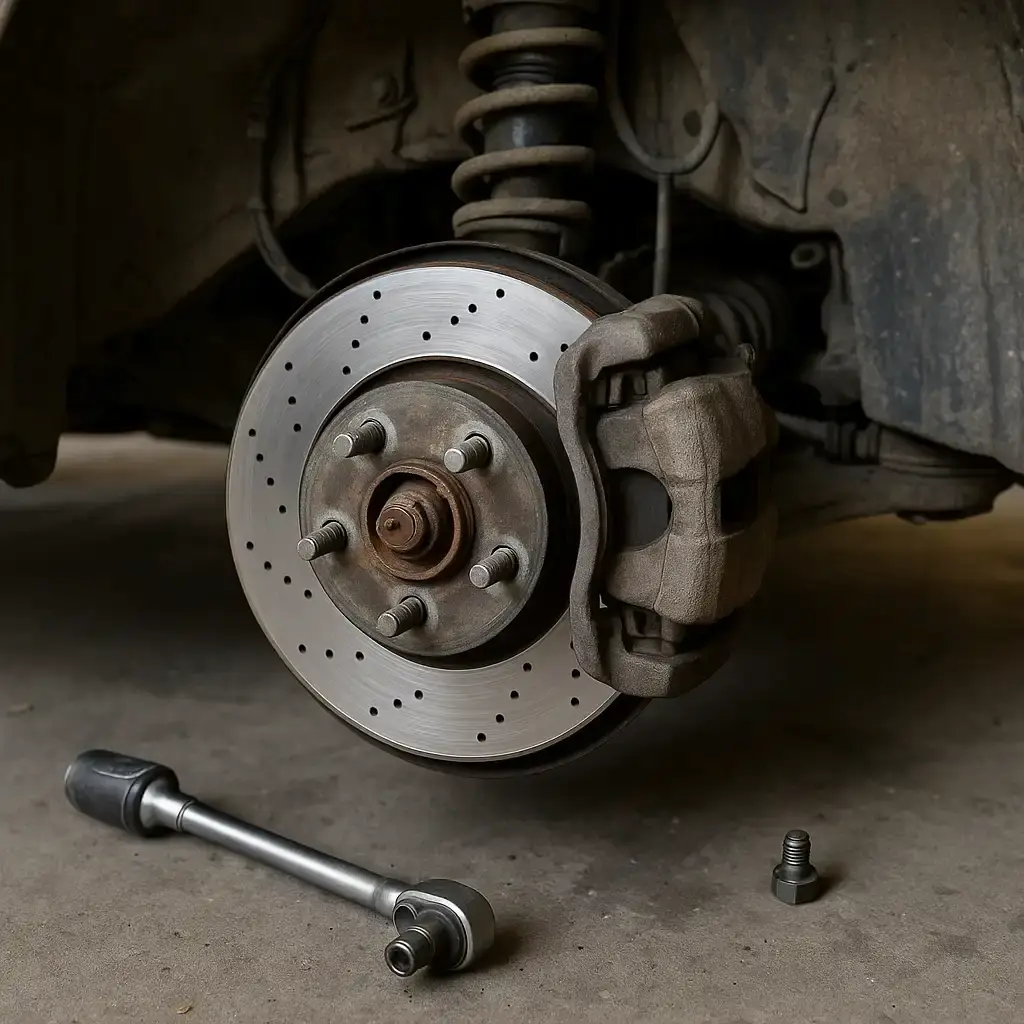
When it comes to vehicle safety, the braking system is at the top of the list. Every driver knows the importance of brakes, but many wonder: how many brake pads does a car have? The answer may surprise you, as it depends on the type of car, the brake system design, and how your vehicle is configured. In this blog, we’ll break it down clearly, discuss why brake pads matter, and explain why brake pads replacement in Dubai should never be delayed.
Understanding the Basics of Brake Pads
Brake pads are a crucial component of the disc brake system. They create friction against the brake rotors (discs), slowing down or stopping the vehicle. Without them, your car simply wouldn’t be able to stop effectively.Most modern vehicles come with disc brakes on the front wheels, and many also have disc brakes on all four wheels. That means the number of brake pads depends on the setup:- Two brake pads per wheel with disc brakes.
- Cars with four-wheel disc brakes typically have eight brake pads in total.
- If your car has rear drum brakes, it may have four brake pads in front and brake shoes at the rear instead.
How Many Brake Pads Does a Car Typically Have?
To make things simple:- Front disc brakes only (rear drum brakes): 4 brake pads (2 per front wheel).
- Four-wheel disc brakes: 8 brake pads (2 per wheel).
- Performance or heavy-duty vehicles: Sometimes more, with multiple pads per caliper for added stopping power.
Why Brake Pads Wear Out Faster in the Front
Front brake pads generally wear out faster than rear ones. Why? Because when you press the brake pedal, most of the vehicle’s weight shifts forward, putting extra load on the front brakes. That’s why the Top 5 Benefits of Changing Front Brake Pads on Time include:- Improved Safety: Timely replacement ensures maximum stopping power.
- Better Handling: Keeps the car stable during sudden stops.
- Cost Savings: Prevents damage to rotors, which are expensive to replace.
- Smooth Driving: Eliminates squeaking or grinding noises.
- Peace of Mind: Confidence that your brakes won’t fail in critical moments.
Signs Your Brake Pads Need Replacement
Recognizing the warning signs of worn-out pads is essential. Here’s what to look for:- Squealing or squeaking noises when braking.
- Grinding sound, which indicates the pads are fully worn down.
- Reduced brake responsiveness or longer stopping distances.
- Brake warning light on your dashboard.
- Visible wear – when the pad thickness is less than 3mm.
Brake Pads Replacement in Dubai: Why It’s Essential
Dubai’s hot climate, heavy traffic, and fast-paced highways put extra strain on braking systems. Brake pads wear down faster here compared to cooler climates. That’s why brake pads replacement in Dubai should be scheduled regularly—usually every 30,000 to 50,000 km depending on your driving style.- Professional workshops ensure:
- High-quality, heat-resistant brake pads.
- Proper installation for balanced braking.
- Inspection of rotors, calipers, and brake fluid.
Car Brake Repair in Dubai: What to Expect
When you visit a workshop for car brake repair in Dubai, the process typically includes:- Brake inspection: Checking pads, rotors, and hydraulic lines.
- Pad replacement: Removing old pads and installing new ones.
- Rotor servicing: Resurfacing or replacing if necessary.
- Brake fluid top-up or flush: Ensures smooth hydraulic performance.
- Test drive: To confirm braking efficiency.
Car Brake Repair in Al Quoz: A Popular Choice
Al Quoz is one of the most trusted automotive hubs in Dubai. With numerous workshops specializing in European, American, and Japanese cars, you can easily find reliable car brake repair in Al Quoz. Benefits of choosing Al Quoz workshops include:- Competitive pricing compared to dealerships.
- Quick turnaround times to get your car back on the road fast.
- Experienced mechanics trained to handle different makes and models.
- Convenient location for residents across Dubai.
How to Extend the Life of Your Brake Pads
To avoid frequent replacements, follow these tips:- Drive smoothly: Avoid hard braking unless necessary.
- Maintain distance: Reduce the need for constant stop-and-go braking.
- Regular servicing: Get your brakes checked every oil change.
- Use quality parts: Always opt for OEM or trusted aftermarket pads.