How Long Does It Take to Change Brake Pads
March 30, 2026
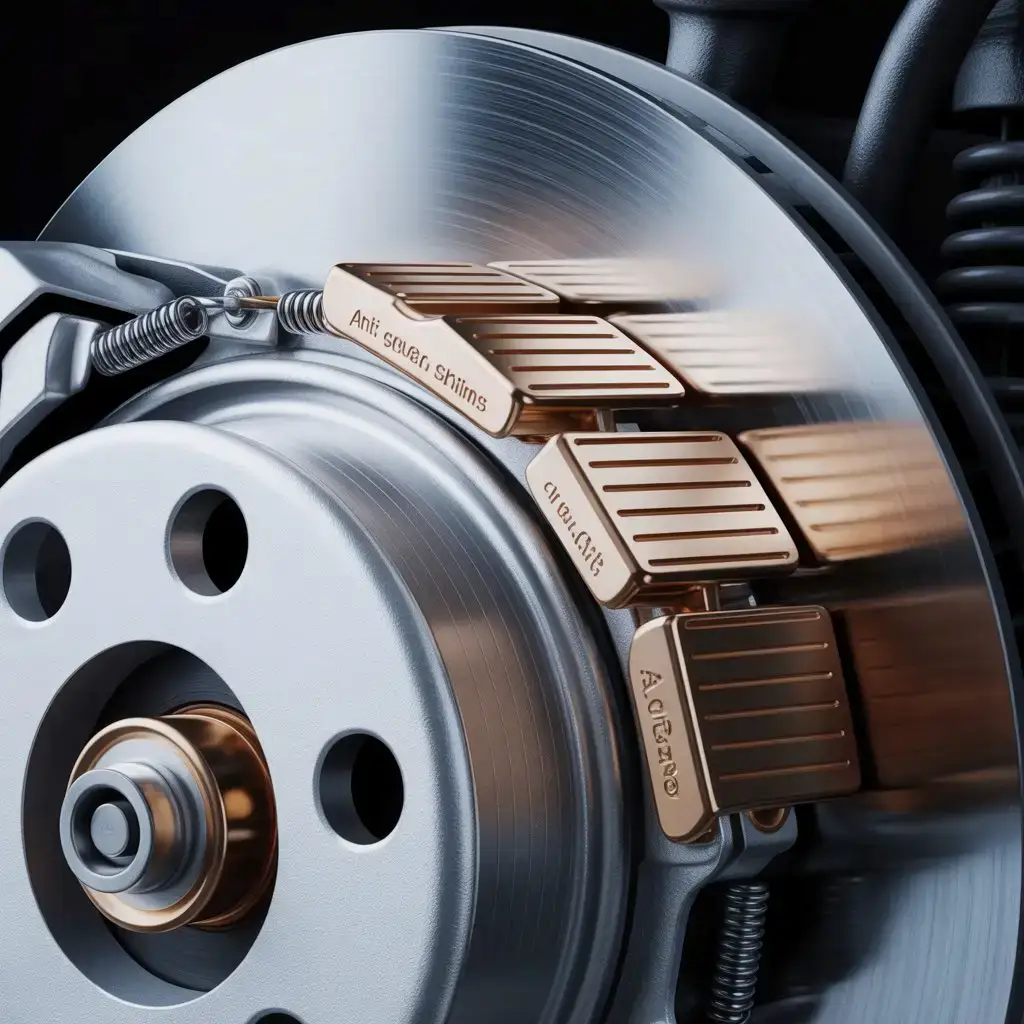
If you’ve ever wondered, “How long does it take to change brake pads?”, you’re not alone. As someone who has worked on cars for years, when I was in Dubai, I realized that understanding the time and effort required for Brake pad replacement in Dubai can save you stress, money, and even keep you safe on the road.In this guide, I’ll walk you through the process, share my personal experience, and provide actionable tips so you can plan your brake pad replacement efficiently.
Understanding Brake Pads and Their Importance
Before diving into the timing, it’s crucial to understand why brake pads matter. Brake pads are the components that press against your brake rotors to slow or stop your vehicle. Worn-out pads can cause:- Reduced braking efficiency.
- Squeaking or grinding noises.
- Increased stopping distance.
- Potential damage to rotors.
Average Time to Change Brake Pads
So, how long does it take to change them? The answer depends on several factors:Skill Level
- Professional mechanics: 30 to 60 minutes per axle.
- Experienced DIYers: 1 to 2 hours per axle.
- Beginners: 2 to 3 hours per axle.
Vehicle Type
- Compact cars usually take less time.
- SUVs and trucks may take longer due to larger brake components.
Tools and Preparation
- Having the right tools, jack stands, lug wrench, C-clamp, and socket set can significantly speed up the job. Trust me, missing a tool can easily double the time.
Step-by-Step Brake Pad Replacement Process
Breaking it down can help you estimate the time better. Here’s a simplified version of my process:1. Safety First
- Park your vehicle on a flat surface.
- Engage the parking brake.
- Wear gloves and safety glasses.
2. Remove the Wheels
- Loosen the lug nuts.
- Ensure the car is on a flat, stable surface before starting any work.
- Remove the wheels.
3. Remove Old Brake Pads
- Locate the caliper and remove it using a socket wrench.
- Slide out the old pads carefully.
- Check the rotor for wear.
4. Install New Brake Pads
- Apply brake grease to prevent squeaking.
- Insert the new pads into the caliper bracket.
- Reattach the caliper and ensure all bolts are tight.
5. Reassemble and Test
- Tighten the lug nuts in a crisscross pattern to ensure they are secure.
- Pump the brake pedal to seat the pads.
- Take the car for a short, slow test drive.
Common Factors That Can Extend Replacement Time
Even experienced car enthusiasts can face delays. Common challenges include:- Rusted or seized caliper bolts.
- Warped rotors require resurfacing or replacement.
- Incorrect pad fitment.
- Lack of proper tools.