How Brake Boosters Work and Key Signs You Need a Repair
March 30, 2026
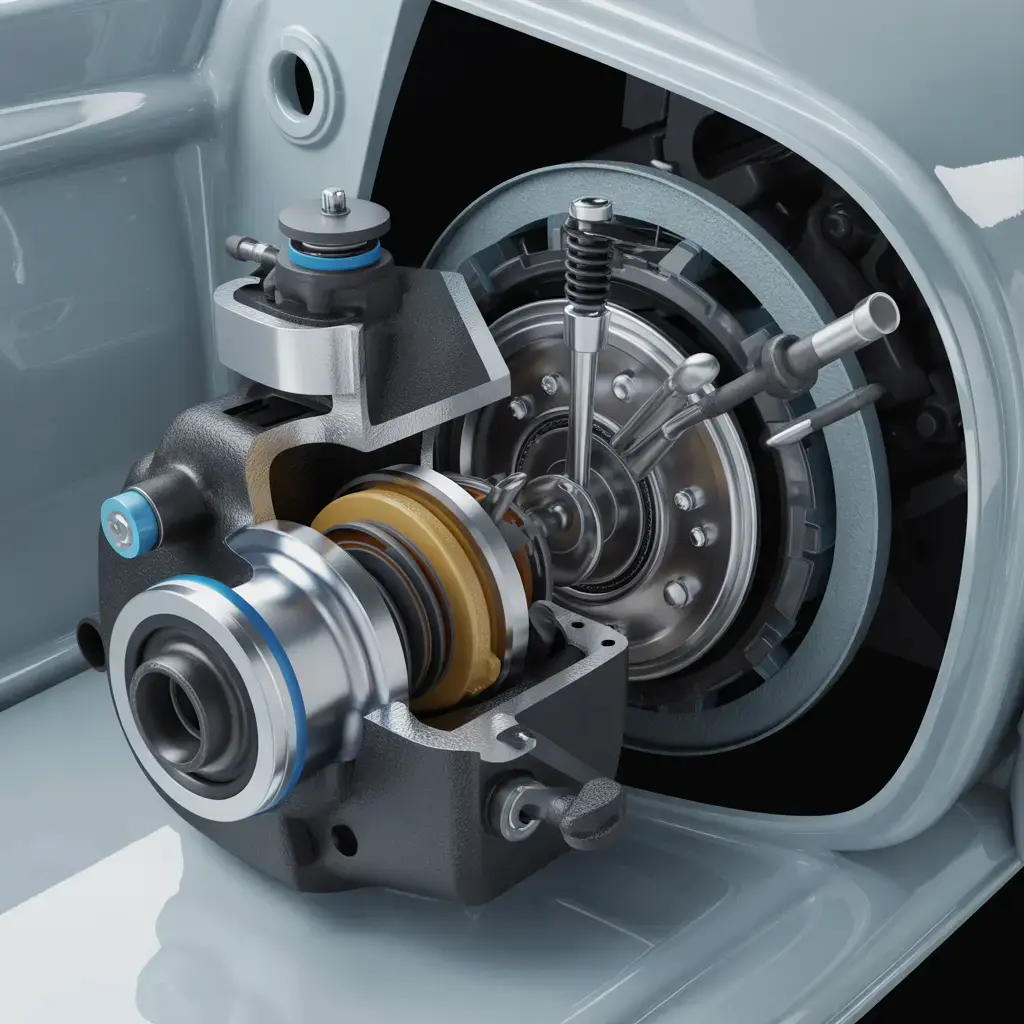
Brakes are essential for your vehicle’s safety. Over the years, I’ve learned that understanding your car’s brake system, especially brake booster repair, can prevent costly repairs and keep you safe on the road. When I was in Dubai, I realized how important timely Brake pad replacement in Dubai is for maintaining smooth and safe driving.In this post, I’ll share my experience, explain how brake boosters work, and highlight key signs you might need a repair.
What Is a Brake Booster?
A brake booster is a critical component of your vehicle’s braking system. Simply put, it uses vacuum pressure to amplify the force you apply to the brake pedal. This means you don’t have to push as hard to slow down or stop your car.From my experience as someone who has dealt with brake repairs firsthand, a properly functioning brake booster not only makes driving more comfortable but also enhances safety, especially during emergency stops.How It Works
Typically positioned between the brake pedal and master cylinder, the brake booster helps amplify your braking force.- When you press the brake pedal, the booster uses vacuum pressure from the engine to increase the force transmitted to the master cylinder.
- The master cylinder then pushes hydraulic fluid through the brake lines to the brake calipers or wheel cylinders.
- This results in efficient braking with minimal effort on your part.
Key Signs You Might Need a Brake Booster Repair
Recognizing problems early can save you from dangerous situations. Here are the warning signs I’ve learned to look out for:1. Hard Brake Pedal
A common symptom is a stiff or hard-to-press brake pedal. If your pedal suddenly feels heavier than usual, it’s often a sign that the brake booster is failing.Actionable Tip: Check for vacuum leaks in the booster or the connecting hoses. If unsure, get a professional inspection immediately.2. Longer Stopping Distances
When your car takes longer to stop than usual, it’s a red flag. In my experience, ignoring this can escalate to brake failure, so immediate attention is crucial.3. Engine Stalling or Rough Idling
Sometimes a failing brake booster can cause vacuum leaks, which impact engine performance. If your engine stalls when braking or idles roughly, this could be linked to the booster.4. Hissing Noise When Braking
A hissing or vacuum leak sound near the brake pedal is another warning. I once ignored this sound, and it eventually led to a costly repair, something I recommend avoiding.5. Illuminated Brake Warning Light
Modern cars often have sensors to detect brake system issues. If your brake warning light comes on, don’t dismiss it; it could indicate a booster problem.Preventive Tips and Maintenance
Based on my experience, regular inspection and preventive care can extend the life of your brake booster:- Check vacuum lines periodically for cracks or leaks.
- Inspect the brake fluid and ensure it’s at the proper level.
- Pay attention to any strange noises coming from the brake pedal when you apply pressure.
- Schedule professional inspections at least once a year.