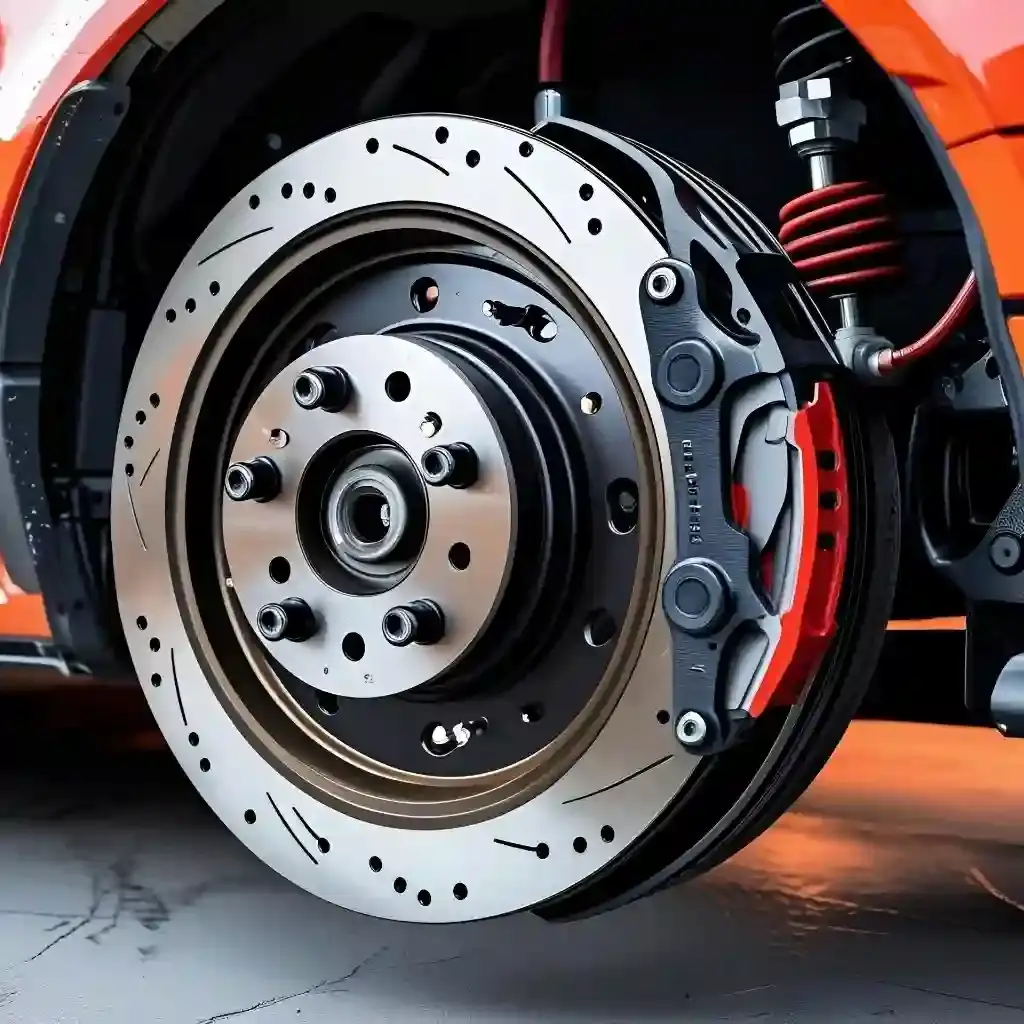
Spot the warning signs to replace your disc brakes before it’s too late.Disc brakes are one of the main safety components of your car. They help you safely and efficiently slow or stop your car. When disc brakes start to wear out, it becomes harder to control the vehicle and avoid an accident. Catching the warning signs early means you can replace your disc brakes on time and avoid costly repairs or dangerous breakdowns. If you are in the UAE, timely
Car brake pads replacement in Dubai ensures your vehicle stays safe and ready for the road.
Top 7 Warning Signs Your Disc Brakes Need Replacing
1. Squealing or Screeching Noises During Braking
A high-pitched squeal or screech when pressing the brake pedal indicates the brake pads have been worn down. Brake pads have built-in wear indicators that create this noise as a warning. If ignored, this could lead to metal parts rubbing against each other, which causes more damage. To avoid this, it’s important to know when you should change brake pads and act before the problem gets worse.
2. Grinding Sounds Indicating Severe Wear
The grinding noise is even louder and more terrifying compared to the squeals. This means the brake pads have worn completely, and the metal backing is now grinding against the rotor. This metal-on-metal contact can badly damage your rotors and also reduce your braking power. This sound should never be ignored and calls for immediate attention.
3. Reduced Braking Efficiency or Longer Stopping Distances
If your car is taking too long to stop all of a sudden or if you find yourself needing to apply more pressure to the brake pedal, your disc brakes have likely worn out. Decreased brake efficiency puts you and the lives of others in great danger during emergencies or bad weather. A brake system depends on healthy pads and rotors to work effectively. Worn brakes, however, increase stopping distances and the chances of an accident.
4. Vibrations or Pulsations when Applying Brakes
A sensation of vibration or pulse felt through a brake pedal typically results from a certain level of warped rotors or the uneven wear of the brake pads. This happens because the disc surface becomes uneven from heat or damage, affecting how smoothly the brakes work.Vibrations like these could essentially decrease your steering control and indicate a quick brake service from an expert technician.
5. Brake Warning Lights on the Dashboard
Most new vehicles show warning lights to alert you to brake problems. If the brake system warning light or ABS light turns on, you should not ignore it. These lights indicate you need to have the brakes checked or repaired.
6. Burning Smell or Overheating Brakes
A sharp burning smell near the wheels while driving indicates that the brakes are overheating. This may occur due to stuck brake pads or brake pads that are excessively worn out. Whenever the brakes are overheating, such as brake loose, effectiveness than can lead to brake failure. Continuing to drive with this issue is unsafe and will also cause further damage to the brake system.
7. Visible Wear or Damage on Brake Components
You can check your brakes visibly, provided you know what to look out for. Using a flashlight, check the brake pads through the wheel spokes. This could signal either thin brake pads (being less than ¼ inch thick) or deeper grooves on the rotors. If you notice any cracks, rust, or uneven wear, then your brakes should be checked by a professional.
How to Respond When You Notice Warning Signs
Scheduling a Professional Brake Inspection
Once you spot any of these signs, the first thing you do is to have a professional check out your brakes. Experts can make a precise diagnosis on whether replacement or repair is needed in order to avoid the unwanted situation where unexpected failure occurs.
Avoiding Further Damage by Reducing Driving
Limit your driving immediately when you notice brake problems. Reducing use prevents further damage and lowers safety risks until repairs are done.
Considering Brake Pad Replacement Options
When it comes to replacing brake pads, consider your options between DIY fixes and expert service. While some prefer doing it themselves, professional work is usually much better.
Preventive Measures to Extend the Life of Your Disc Brakes
Regular Brake System Checks and Maintenance
Schedule periodic brake inspections and fluid checks to help maintain the brake system’s working well. Regular maintenance will help catch wear early and prevent unwanted surprises on the road.
Driving Habits That Protect Brake Components
Your driving style impacts brake wear significantly. Avoid harsh braking and sudden stops whenever possible. Gentle, gradual braking reduces strain on pads and rotors, helping them last longer.
Using Quality Brake Parts and Fluids
Always look for quality brake pads and brake fluids. Subpar parts can wear faster and compromise your vehicle’s safety.
Conclusion
Disc brakes are critical for keeping you safe on the road. Ignoring sounds such as squealing noises, grinding sounds, reduced braking power, vibrations, dashboard lights, burning smells, or visible wear allows you to act before things get worse. Replacing and maintaining your brake pads in time will not just save your life but also save a lot of money spent on repairs. If you drive a high-performance car, like for example Audi, consider expert services for
Audi brake pad replacement in Dubai to ensure long-lasting braking performance. Therefore, stay alert and keep your brakes in top shape to ensure smooth and safe stopping every time you drive on the road.