Why Does My Car Make a Noise When I Brake? Common Causes Explained
March 31, 2026
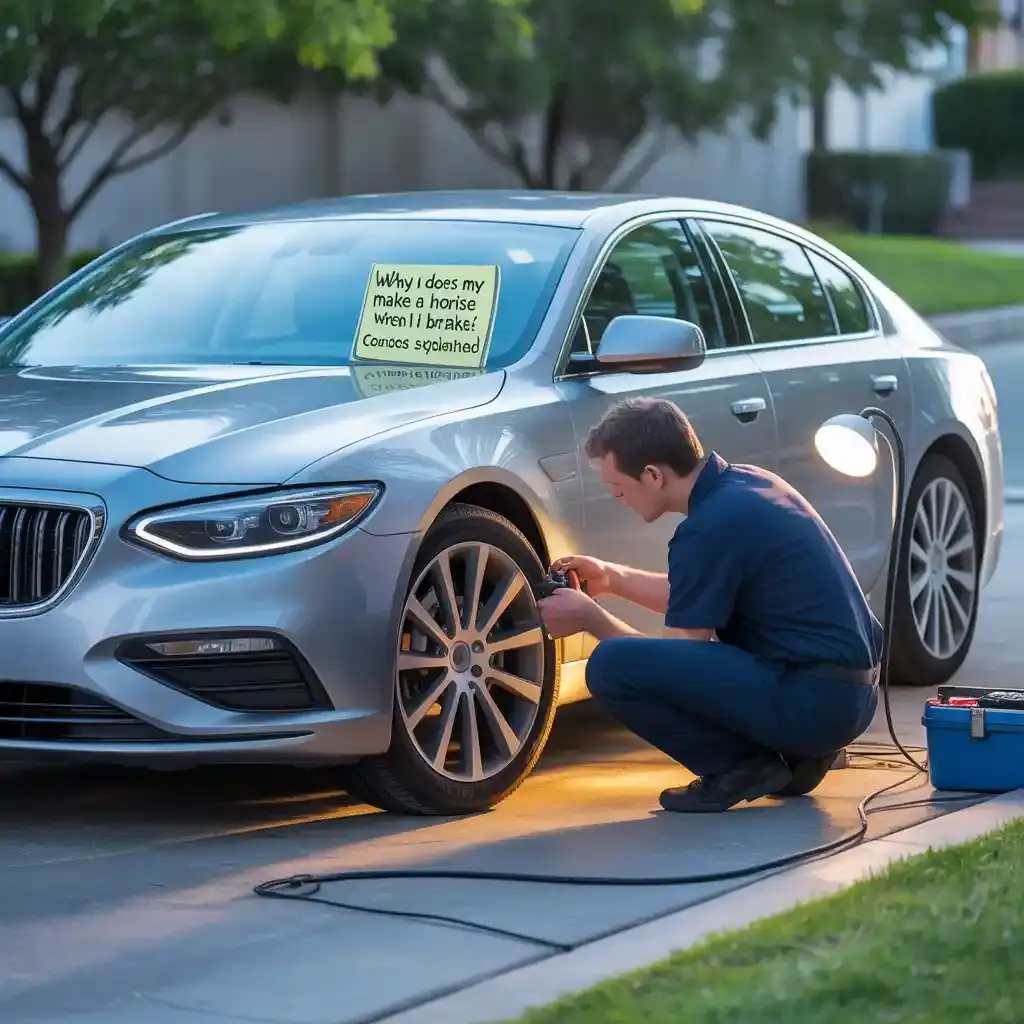
Hearing a strange noise when you press your car’s brakes? That sound could be trying to tell you something important. In Dubai’s harsh climate, brake noises can often signal wear, damage, or a need for immediate maintenance.From squeals to grinding sounds, your car’s braking system warns when something is wrong.So, why does your car make a noise when braking? It could be due to worn brake pads, dusty or sandy debris stuck between components, warped rotors, or even caliper issues. Identifying the noise early helps prevent dangerous situations and expensive repairs.In this blog, we’ll explain the most common types of brake noises, what causes them, and what you should do next, especially in a city like Dubai, where extreme heat and dusty roads make brake care even more crucial.
How Do Brakes Work – And Why They Get Noisy
Your car’s brakes rely on friction to bring your vehicle to a stop. When you press the brake pedal, pads clamp onto metal discs (called rotors) attached to your wheels. Over time, these components wear down, especially in the intense driving conditions of Dubai. As they degrade, they often begin to produce noises that shouldn’t be ignored.Here are the most common types of brake noises and what they generally indicate:- Squealing: Often a sign that brake pads are worn down and the wear indicator is scraping the rotor.
- Grinding: May signal metal-on-metal contact due to completely worn pads or embedded debris.
- Clicking or rattling: Can be caused by loose caliper components or missing anti-rattle clips.
- Pulsating or vibration: Usually linked to warped rotors.
- Hissing or burning smell: Indicates overheated brakes, usually from excessive use or a stuck caliper.
Common Brake Noises and What They Mean
Understanding brake noises can help you take action early—before damage worsens. Here’s a breakdown of the most frequent types of brake sounds, their causes, and what they suggest about your vehicle’s condition.Squealing When Braking
A high-pitched squeal is often the first warning sign your car gives when your brake pads are wearing thin. Most brake pads have a built-in wear indicator that scrapes against the rotor when the material becomes too thin.This is designed to alert you before full metal-on-metal contact occurs.However, squealing can also be caused by dusty conditions, something Dubai drivers deal with regularly. Fine sand particles can lodge between the pad and rotor, creating a squeaking noise even when your pads aren’t fully worn. Regular cleaning and timely pad replacement can solve this.Grinding or Scraping Sounds
A deep grinding noise typically means the brake pads are completely worn out and the metal backing is now grinding against the rotor. This is serious and can cause deep rotor grooves, leading to costly repairs or full replacements.Another common reason for grinding in Dubai is sand or gravel getting caught in the brake assembly. Even a tiny rock can create a loud, unsettling sound. Whether it’s wear or debris, grinding should never be ignored.Rattling or Clicking NoisesIt could mean loose components if you hear a clicking sound while braking or even when driving without applying the brakes. Brake pads are held in place with clips and springs that can wear out or go missing over time.The constant start-stop nature of Dubai traffic can cause additional stress on these small parts, increasing the risk of them becoming dislodged or broken. It’s important to have a technician check for loose caliper bolts or missing hardware.Brake Pedal Vibration
A vibrating or pulsating brake pedal often points to a warped rotor. When rotors heat unevenly, which is common during downhill drives or frequent hard stops, they can lose their flat surface. This uneven contact causes the brake pedal to shake when pressed.Dubai’s extreme heat plays a big role in this. Combined with heavy city traffic or mountain drives, your brake system works extra hard, making warping more likely without regular maintenance.Burning Smell While Braking
If you notice a burning smell after braking, your brakes are likely overheating. This can happen if you’re riding the brakes during long downhill drives, or if a caliper is stuck in a closed position, continuously pressing the pad against the rotor.Overheating can lead to “glazing,” where brake pads become too smooth to function properly. It can also damage rotors and cause fading, where brakes lose effectiveness. In Dubai’s hot climate, this is a real concern during the summer months.Dubai-Specific Conditions That Worsen Brake Noise
Brake problems can happen anywhere, but Dubai’s environment makes them more likely—and more severe. Here’s why car owners in the UAE should be extra vigilant about brake noise:Sand and Dust Infiltration
The fine desert dust in Dubai is notorious for finding its way into brake assemblies. Sand grains can lodge between pads and rotors, causing grinding noises or damaging the rotor surface over time.This debris isn’t always visible and requires a full brake inspection to clean out properly. Regular driving in dusty areas like Al Qudra or Al Khawaneej can lead to more frequent issues.Extreme Heat and Glazing
With summer temperatures often soaring above 45°C, your car’s braking system is constantly exposed to intense heat. This can lead to “glazing,” where pads and rotors become polished and shiny from excess heat, reducing braking performance and increasing noise.Regular city driving, especially stop-and-go in areas like Sheikh Zayed Road, can produce enough heat to warp rotors or degrade brake pad materials faster than usual.Coastal Humidity and Rust
In places like Dubai Marina or Jumeirah, the combination of sea air and overnight humidity can cause surface rust on brake rotors. When you drive in the morning, the pads scrape off this rust, sometimes creating a temporary squeal.This doesn’t always indicate a serious issue, but it’s still worth noting, especially if it lasts beyond the first few stops.Frequent Stop-and-Go Traffic
Dubai’s dense traffic patterns mean drivers brake more often than they realize. Increased use leads to faster pad wear and greater stress on caliper components, which can lead to noise if improperly maintained.Routine inspections every few months can prevent small issues from becoming noisy and dangerous.Diagnosing Brake Noises at Home
Before heading to a garage, there are a few things you can do to better understand what’s happening with your brakes. Follow these steps for a basic at-home check.Step 1: Identify When the Noise Happens
Does the sound occur only when braking? Or even while driving without touching the brake pedal? Does it happen when reversing or turning? This information helps narrow down the issue.Step 2: Listen Carefully
Have someone else drive the car slowly while you stand outside and listen to each wheel. Try to pinpoint whether the noise comes from the front or rear, left or right.Step 3: Visual Inspection (If Safe)Remove the wheel to inspect the pads and rotors if you feel comfortable. Look for worn-down pads, rotor grooves, or any lodged debris like pebbles or sand.Step 4: Test Pedal Feel
A soft or “spongy” brake pedal might indicate air or old fluid in the brake lines. You’re likely dealing with warped rotors if the pedal vibrates or pulses.Step 5: Check for Leaks
Look for any signs of brake fluid under the car. A leak could cause poor braking performance and needs immediate attention.While these steps won’t replace a professional diagnosis, they can help you understand the severity of the issue and decide how urgently you need to act.Tips to Prevent Brake Noise and Extend Brake Life
Even in a tough environment like Dubai, a few proactive habits can keep your brakes quiet and efficient for longer. Here’s what you can do:- Inspect brake pads every 10,000 km or 6 months.
- Avoid riding your brakes on downhill roads and use engine braking instead.
- Get your brake system cleaned and serviced after dusty desert drives.
- Ensure caliper pins and pad backs are properly lubricated.
- Replace brake fluid every 2–3 years to avoid hydraulic failure.
- Choose OEM or certified brake parts when replacing components.
- Avoid sudden hard braking when bedding in new pads (first 200 km).
- Park in covered areas where possible to avoid overnight rusting.