What Are the Signs That Your Parking Brake Needs Repair
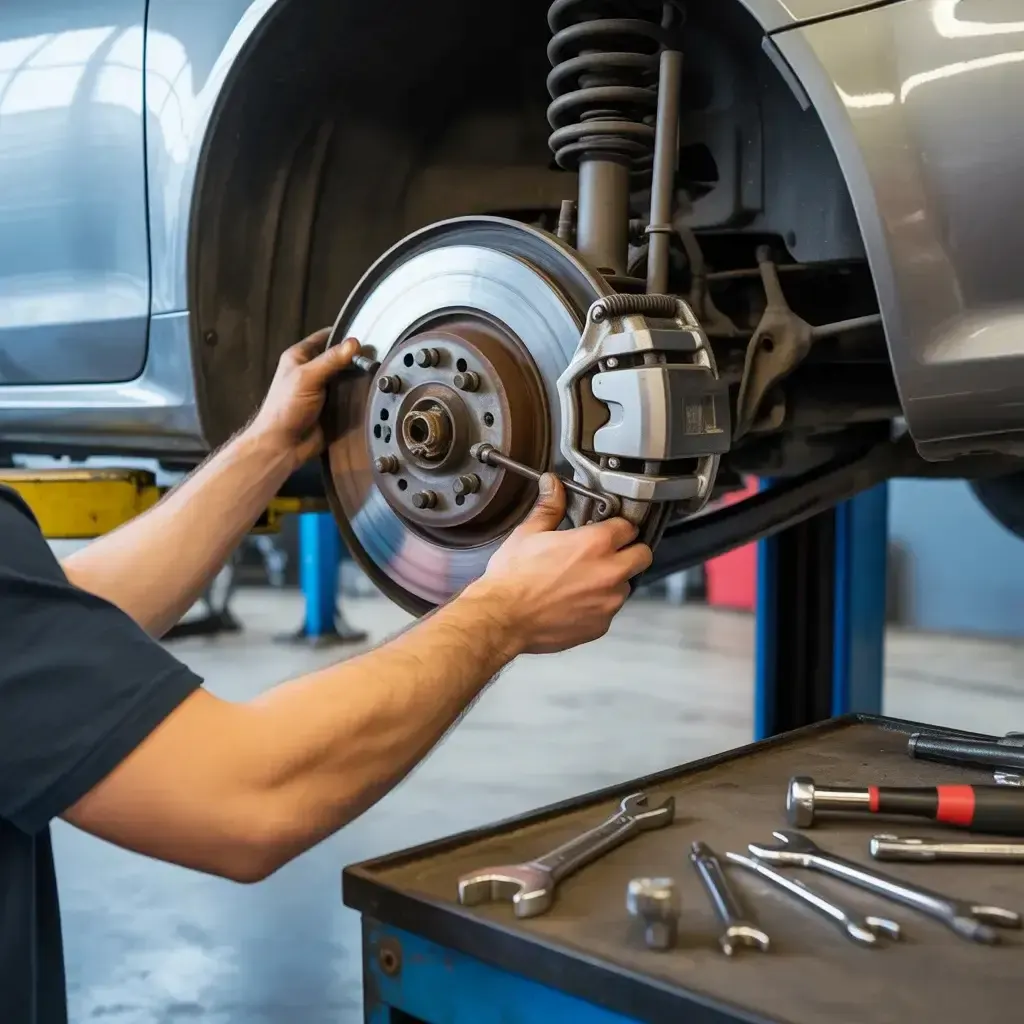
Quick Answer: Your parking brake may need repair if it feels loose, makes noise, doesn’t hold the car, triggers a warning light, or is hard to engage/release.
Your parking brake (also called an emergency parking brake or handbrake) is a crucial safety feature. Whether you park on a slope or just want extra security, it keeps your car stationary. Ignoring early signs of a faulty brake can lead to accidents or costly damage, so getting a Brake pads replacement Dubai promptly can keep your car safe and reliable.
1. The Brake Doesn’t Hold Your Vehicle
If your car rolls forward or backward even after engaging the parking brake:
- The brake pads or shoes may be worn.
- The cable could be stretched or loose.
- Mechanical components may be misaligned.
Test your brake on a gentle incline. If the car moves slightly, book a professional inspection immediately.
2. The Handle or Pedal Feels Loose or Soft
A parking brake should feel firm when engaged. Signs of a problem include:
- A “spongy” pedal or handle that moves too easily.
- The lever rises higher than usual before locking.
- Resistance changes when pulling or pressing the brake.
This usually happens due to cable slack, worn brake components, or hydraulic issues in some vehicles. Have a certified technician adjust or replace the cable and inspect brake pads.
3. Strange Noises When Using the Brake
Listen for:
- Squeaking, grinding, or rattling sounds.
- Clicking or scraping while engaging the lever.
Worn pads, rusted cables, or misaligned components. Ignoring these noises can damage rotors or drums. Schedule a brake inspection before these small issues become costly repairs.
4. Warning Lights on the Dashboard
Modern cars alert you with an electric parking brake light or other dashboard signals:
- The light stays on after releasing the brake.
- ABS or brake system warning appears.
Low brake fluid, sensor issues, or worn pads can cause warning lights. Having a bmw brake Pads replacement Dubai ensures your brakes stay safe and reliable.
5. Difficulty Engaging or Releasing the Brake
If you struggle to pull the lever or press the pedal:
- The cable may be rusted or stuck.
- Mechanical parts might be misaligned.
- Electronic systems may need recalibration.
Knowing how to release the parking brake safely: gently pull the lever or press the pedal fully, keeping your foot on the main brake. If resistance persists, do not force it; contact a professional.
6. Environmental or Wear Effects
Weather and daily use can affect your brake:
- Moisture can rust cables.
- Dirt buildup may cause stiffness.
- Frequent use on hills can accelerate wear.
Regular maintenance ensures your emergency parking brake stays effective and reliable.
Preventive Tips and Safety Measures
- Test your parking brake monthly on flat and inclined surfaces.
- Listen for unusual noises every time you park.
- Check dashboard warning lights regularly.
- Keep your brake components clean and rust-free.
- Trust only certified technicians for repairs and adjustments.
Conclusion
Your parking brake is more than just a lever or pedal; it’s a safety lifeline. Recognizing signs like loose handles, strange noises, difficulty engaging, or warning lights ensures you can get timely parking brake repair. Regular inspections by certified professionals not only protect your car but also ensure the timely replacement of rear brake pads and rotors to safeguard your life and the lives of passengers and pedestrians.
Get Reliable BrakePad Replacement Today
Ensure your brakes stay safe and reliable with BrakePad Replacement in Dubai:
- Certified Technicians: Experienced in all parking and emergency brake systems.
- Quality Parts: Genuine brake pads for long-lasting performance.
- Safety & Inspection: Full check of cables, rotors, and hydraulics.
- Transparent Service: Honest pricing and clear recommendations.
Frequently Asked Questions
Q1: How can I check my handbrake?
Pull the handbrake firmly on a slight incline to see if it holds the car in place.
Q2: What usually causes a handbrake to fail?
The most frequent reason is worn cables or corroded brake components.
Q3: Is it safe to drive with a faulty handbrake?
Driving with a malfunctioning handbrake is risky and can lead to uncontrolled vehicle movement.