Steel Backing Plates in Brake Pads: Why They Matter for Safety
March 30, 2026
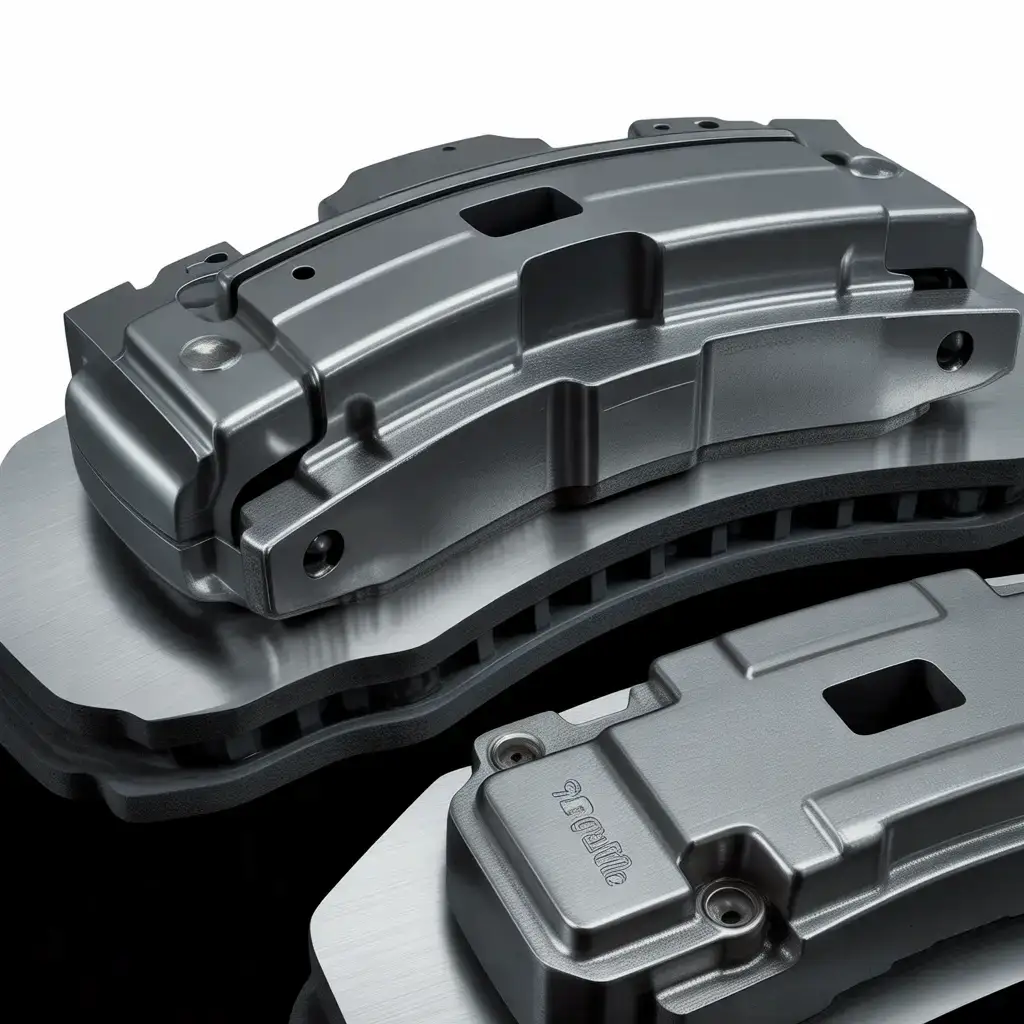
When it comes to vehicle safety, many drivers focus on tires, lights, and seat belts, but often overlook brake pads. From my years of working with car maintenance and observing how vehicles perform under heavy braking, I’ve learned that one small component, the steel backing plate in brake pads, plays a crucial role in keeping you safe on the road. During my time in Dubai, I noticed firsthand how timely Brake pad replacement in Dubai can make all the difference for consistent performance.In this post, I’ll share my experience and explain why these seemingly simple parts are more important than most drivers realize.
What Are Steel Backing Plates?
Steel backing plates are the rigid metal foundation of your brake pads. Essentially, they:- Support the friction material.
- Provide a solid surface to push against the caliper.
- Help distribute braking force evenly.
How Steel Backing Plates Affect Safety
During braking, an enormous force is applied to the pads. The steel backing plate ensures:- Even pressure distribution: Prevents hot spots that can cause premature wear.
- Reduced brake fade: A solid backing plate helps maintain consistent braking performance even in high-heat situations.
- Better vehicle control: Vibrations and noise from weak backing plates can distract drivers or lead to uneven stopping, which I’ve personally witnessed in older vehicles.
Signs Your Steel Backing Plates May Be Failing
Even if you maintain your brakes regularly, backing plates can deteriorate over time. Watch for these warning signs:- Unusual noises: Squealing, grinding, or rattling.
- Vibration while braking: A wobbly pedal or shaking steering wheel.
- Uneven pad wear: If one side of the pad wears faster, the backing plate may be compromised.
Choosing Quality Brake Pads with Strong Steel Backing Plates
Not all brake pads are created equal. When selecting new pads, I focus on:- High-quality steel: Thicker, heat-resistant plates last longer.
- Trusted brands: Manufacturers that follow safety standards reduce the risk of subpar materials.
- Compatibility: Ensure the pads match your vehicle’s model for correct pressure distribution.
Maintenance Tips to Extend Steel Backing Plate Life
From my hands-on experience, small maintenance habits make a big difference:- Inspect pads every 10,000 to 15,000 km.
- Clean calipers and surrounding areas to prevent rust.
- Avoid aggressive braking unless necessary, especially when pads are worn.
- Replace pads before the friction material is completely gone to protect the backing plate.